

• New
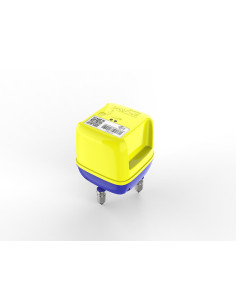
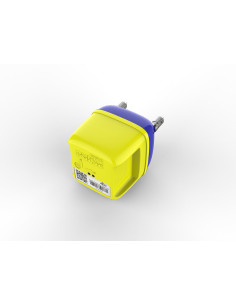
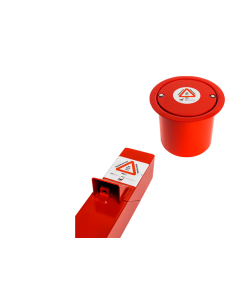
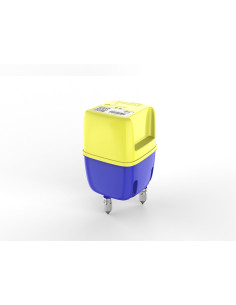
MPBX-RST geotechnical multi-point extensometer

MPBX-RST multi-point borehole extensometer

Reference: MPBX-RST - Manufacturer: RST Instruments

Multi-point borehole extensometer for determining stability and movement behavior in soil and rock masses using 1 to 6 anchors and monitoring through a readout or data logger.

help_outlineAsk for Quote

MPBX-RST multi-point borehole extensometer

I accept privacy policy rules  


Overview

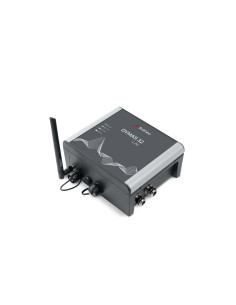
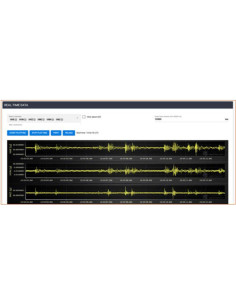
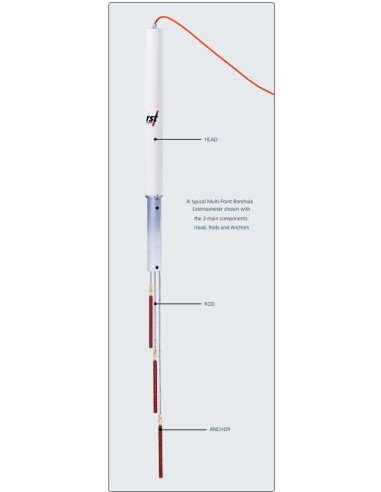
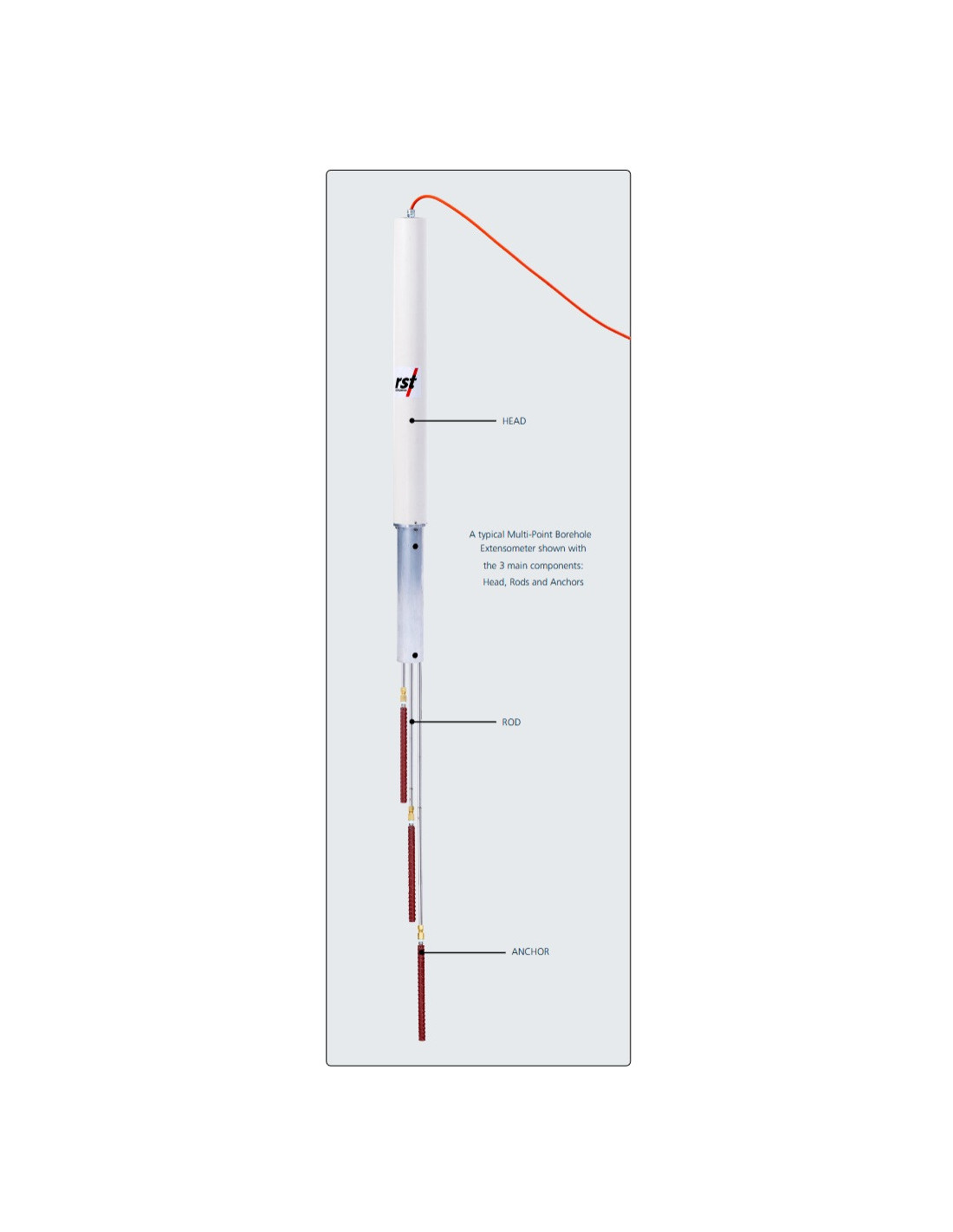
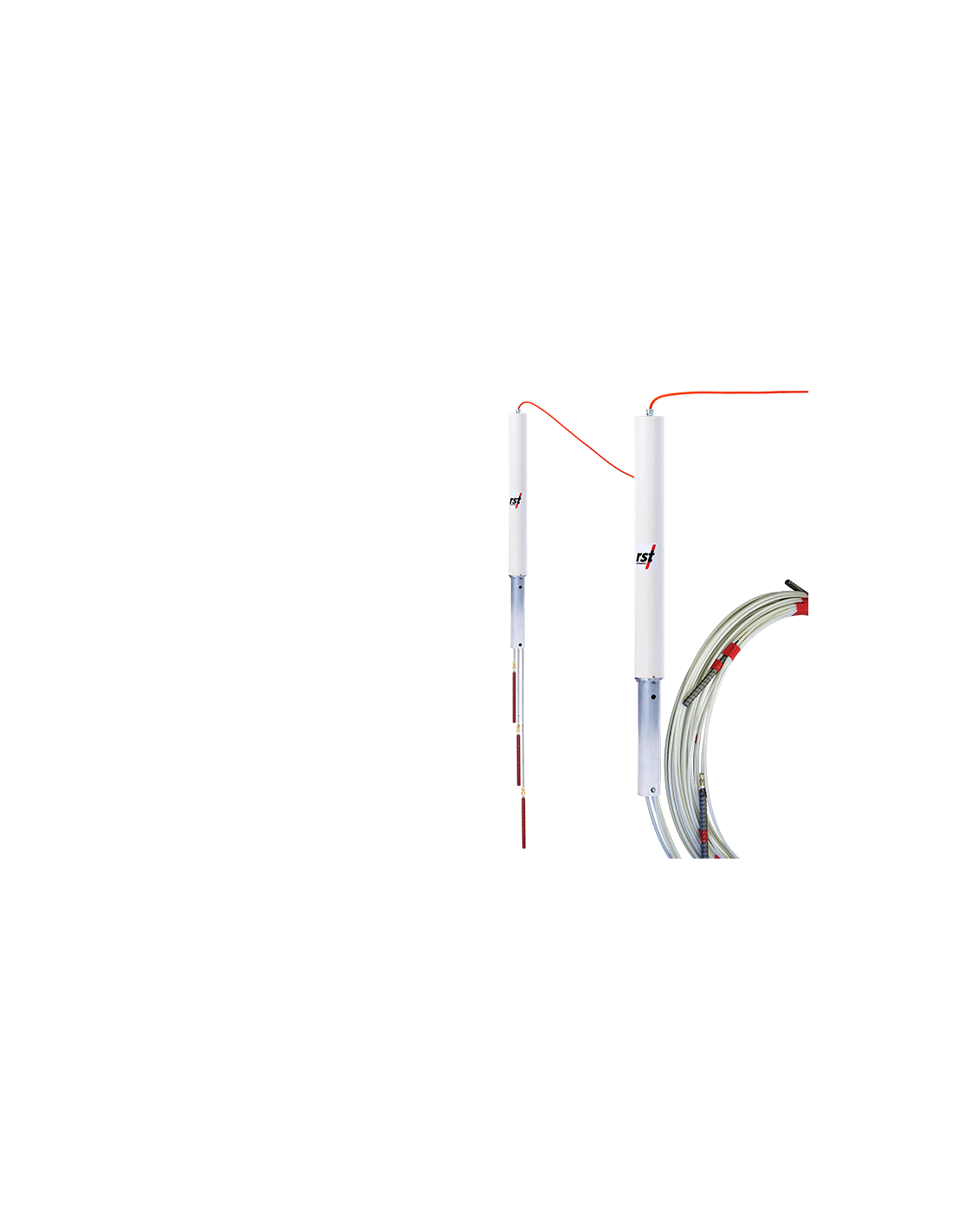
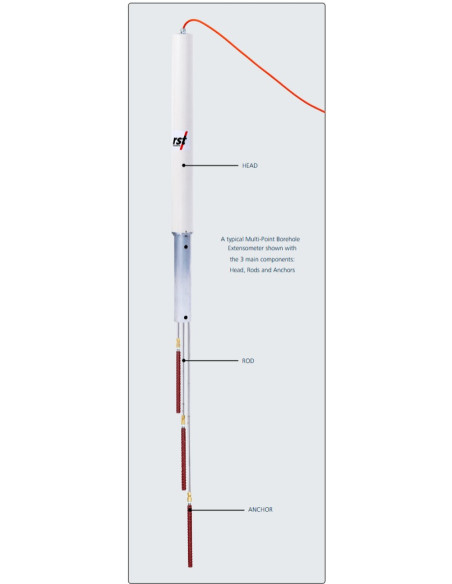
The Multi-Point Borehole Extensometer is used to determine stability and movement behavior in soil and rock masses. It can be deployed with 1 to 6 anchors to obtain a movement profile over depth relative to a baseline measurement and can be monitored using a readout or a data logger.

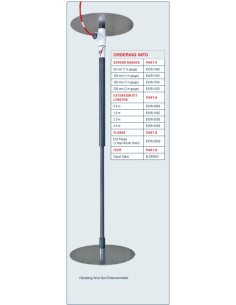
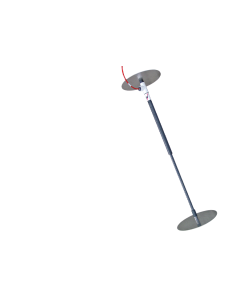
A typical borehole extensometer consists of a reference head, usually installed at the collar of a drill hole, and one or more downhole anchors placed at known depths. As the soil or rock deforms, the distances between adjacent anchors and between each anchor and the reference head change. This makes it possible to determine the distribution, magnitude, rate, and acceleration of deformation in the intersected rock or soil mass with accuracy.

Configuration criteria

The number of anchors and installation depths should be selected according to site geology, structural geometry, and other project-specific details. The use of two or more anchors at different depths allows engineers to distinguish potentially dangerous deep-seated movements from more trivial surface spalling.

Operational advantages

  • Accurate and reliable measurement.
  • For rigid rod extensometers, anchor lengths can be varied in the field.
  • Different anchor designs are available to suit varying ground conditions.
  • Rugged equipment that is easy to install and simple to operate.

Applications

It is aimed at civil infrastructure, energy, surface mining, and underground mining projects where internal deformation of soil and rock must be tracked in instrumented boreholes.

Product features

  • Accurate and reliable measurement.
  • Field-adjustable anchor lengths for rigid rod extensometers.
  • Different anchor types for varying ground conditions.
  • Rugged equipment that is easy to install.

Specifications

  • Sensor range: 50, 100, 150, and 200 mm.
  • Accuracy: ±0.25% FSR.
  • Resolution: 0.025% FSR.
  • Linearity: 0.5% FSR.
  • Operating temperature: -20 C to 80 C.
  • Thermal zero shift: less than 0.05% FSR/C.
  • Number of anchors: 1 to 6.
  • Recommended borehole diameter: minimum 4 inches or 101 mm.

Ordering method and components

  • Select above grade or below grade installation.
  • Select manual or combination head.
  • Select sensor type and range.
  • Select rod type and length.
  • Select anchor type.
  • Mechanical heads available from 1 to 6 points.
  • Anchor options include groutable, hydraulic borros, groutable with spring legs, and bladder anchor.

Viewed products

16 other products in the same category:

Product added to wishlist
Product added to compare.