Shopping Cart

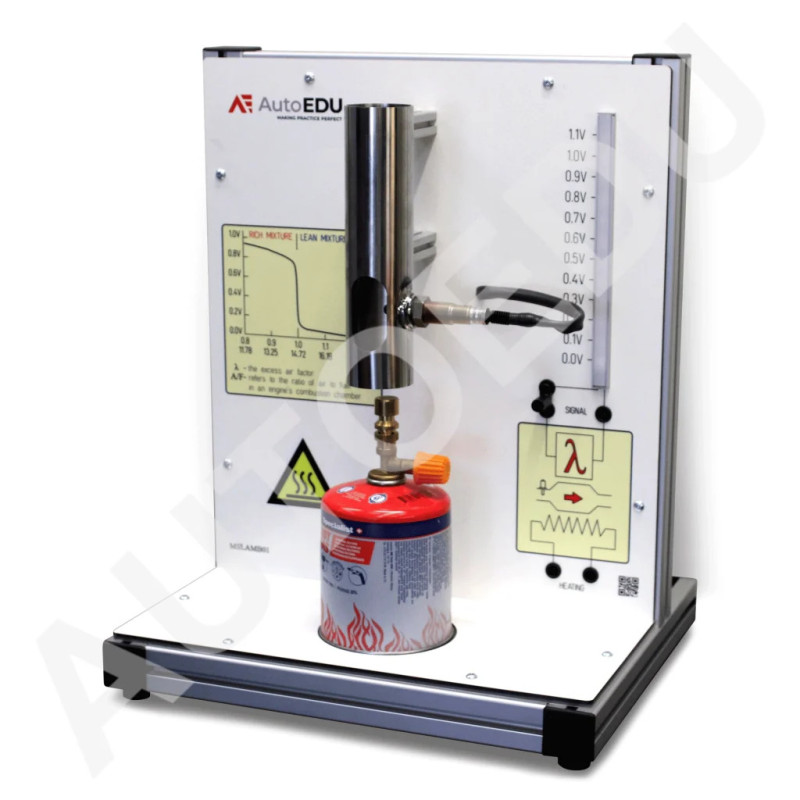
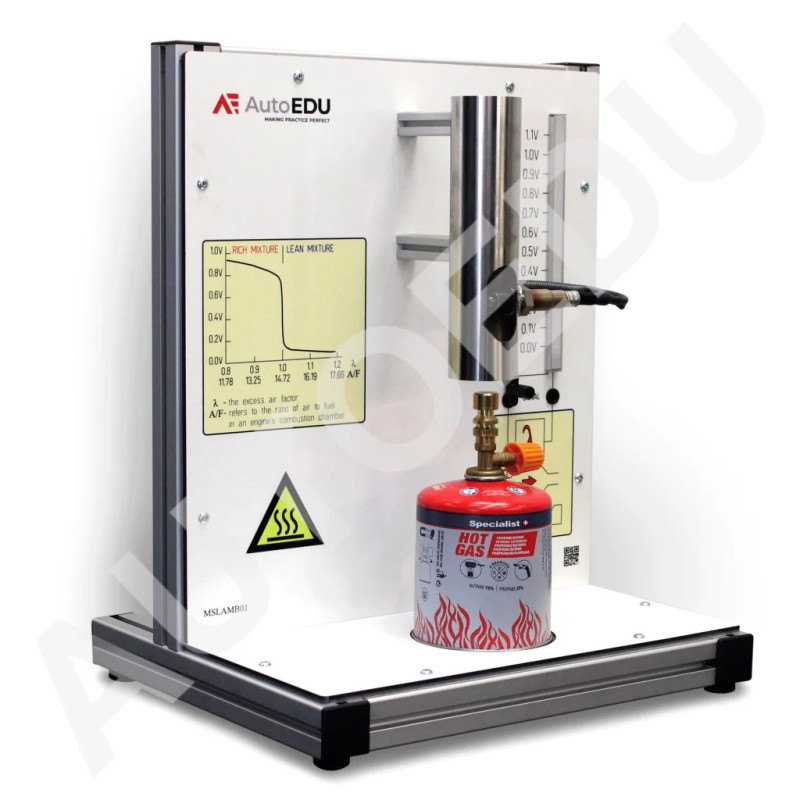
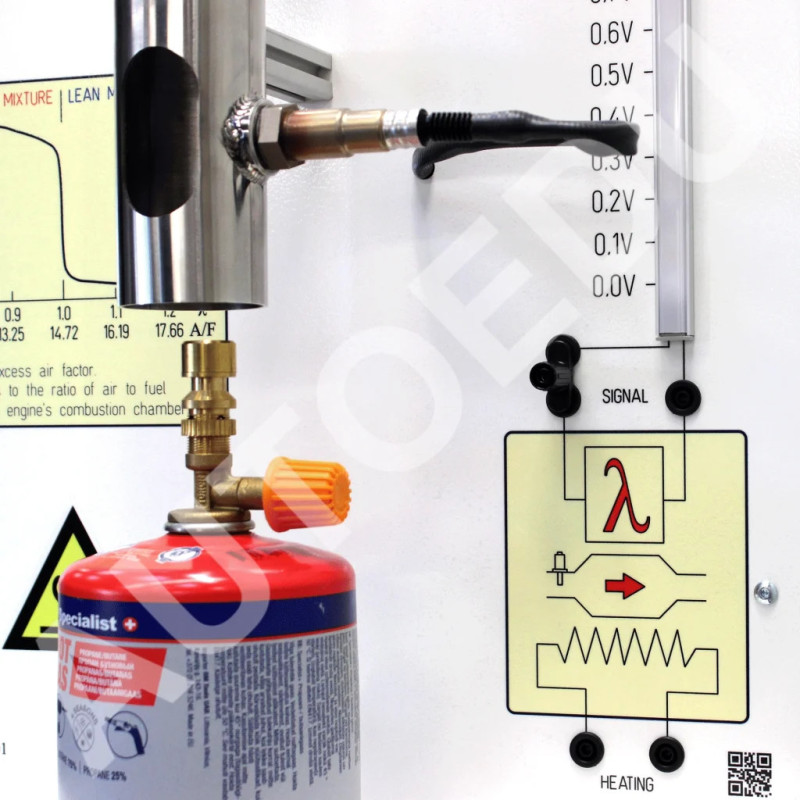
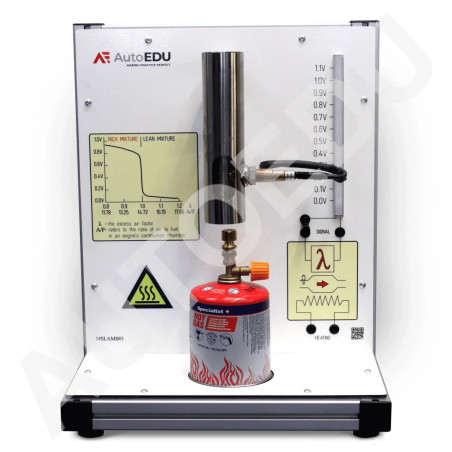
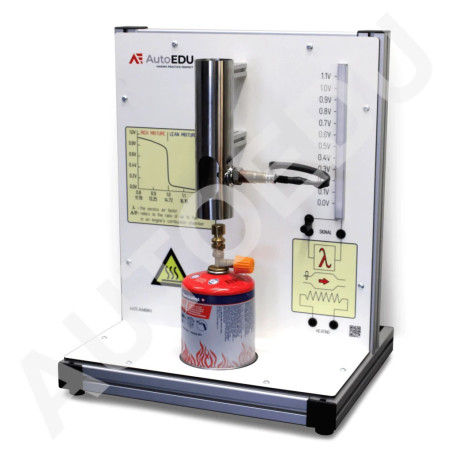
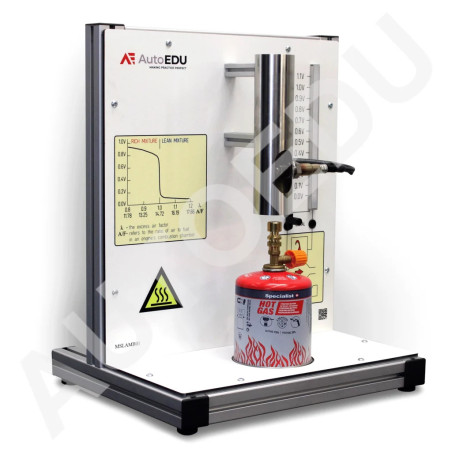
MSLAMB01 Lambda Sensor Educational Trainer
Compact and mobile trainer designed to demonstrate the operating principles of zirconia-type lambda (oxygen) sensors used in automotive exhaust systems.
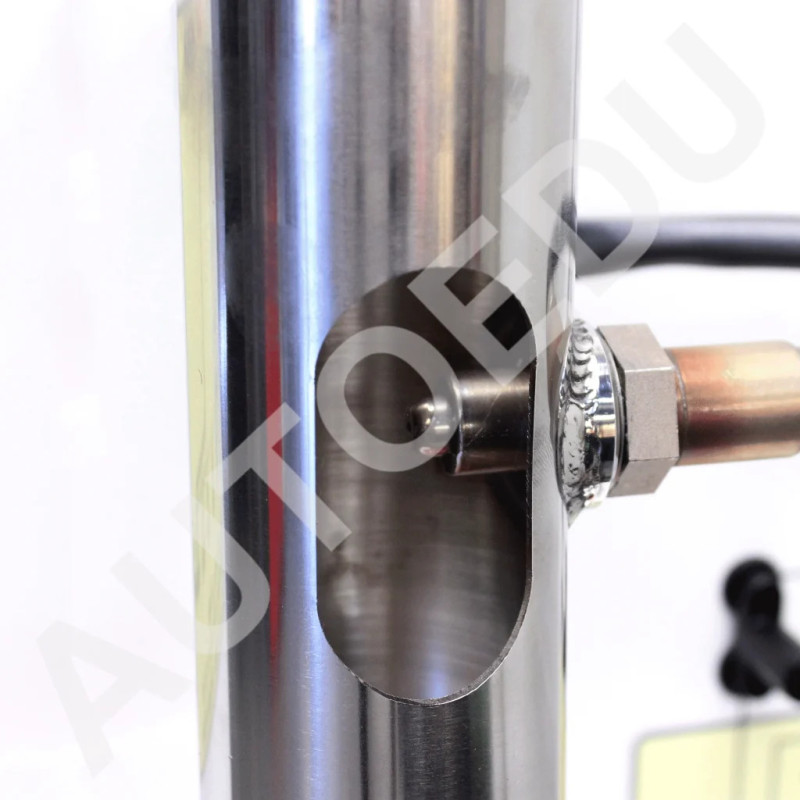
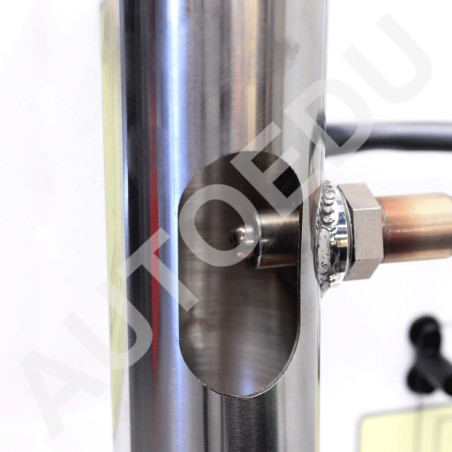
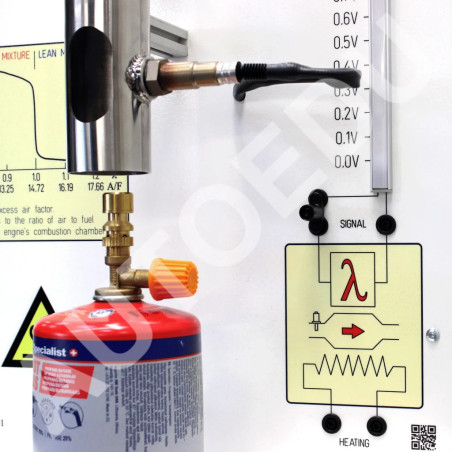
The trainer includes a functional sensor exposed to simulated exhaust heat and variable air-fuel ratios. Real-time output voltage changes are displayed via LED bar and external multimeter connection points.
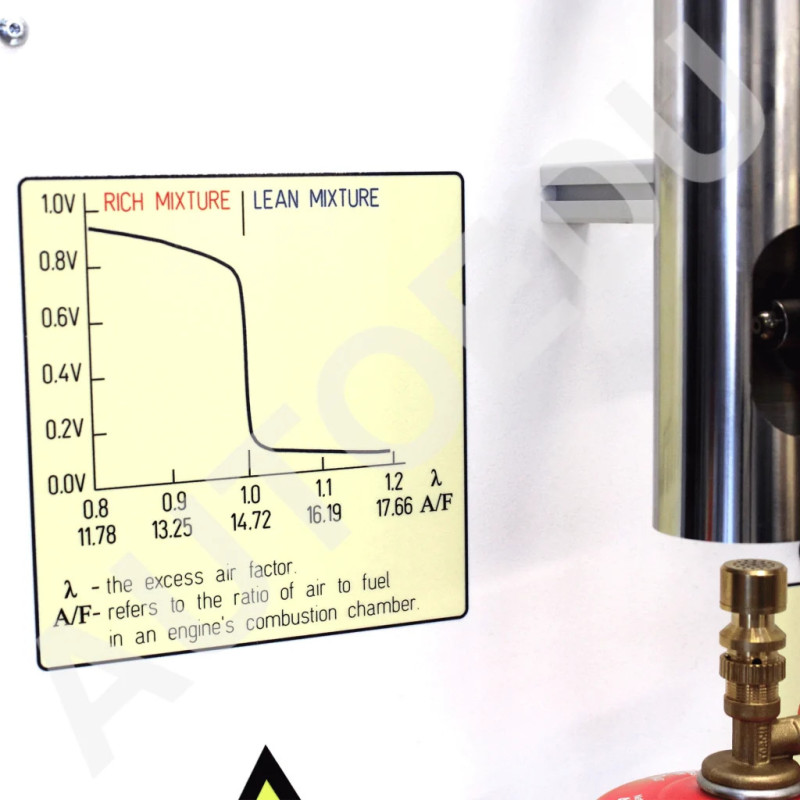
Integrated educational diagrams facilitate visual understanding of closed-loop fuel control systems.
Student Value:
Measure the response of the sensor's voltage output to changes in simulated exhaust temperature.
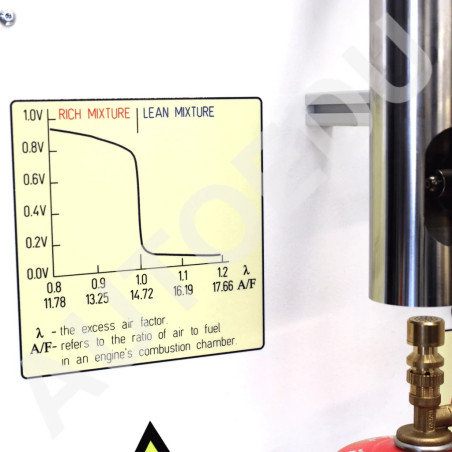
Understand the operation of the narrowband zirconium lambda sensor: output range of 0.1 to 1.1 V based on O₂ concentration.
Manually simulate rich (low O₂) and lean (high O₂) fuel mixtures and observe the voltage response.
Use a multimeter to measure actual sensor signals and the resistance (Ω) of the heater circuit.
Learn the practical application of closed-loop feedback in engine control units (ECUs).
Analyze sensor switching behavior and the stoichiometric point at λ = 1 (air/fuel ratio 14.7:1).
Develop skills for diagnostic interpretation of O₂ sensor output.
Value for instructors:
Allows for a practical demonstration of oxygen sensor principles without an actual vehicle.
Simplifies the explanation of the effects of the air/fuel mixture on the sensor signal.
Offers direct voltage and resistance measurement points for exam practice. Includes clear air-fuel ratio diagrams for instructional use.
Compact and lightweight unit, easy to transport between classrooms.
Enhances lessons on emissions control and electronic engine management systems.


16 other products in the same category:


TRAINING & EDUCATION SYSTEMS
Nvis 6105 Band Gap Measurement (Four Probe Method)

TRAINING & EDUCATION SYSTEMS
Scientech2713 Single Phase Cycloconverter




TRAINING & EDUCATION SYSTEMS
MC10 Display and Switches Module


TRAINING & EDUCATION SYSTEMS
MS-6600 Mechatronics Training System (for PLC-310)


TRAINING & EDUCATION SYSTEMS
AutoEdu AE35274E Standard petrol multi-point engine chassis with working light system...
TRAINING & EDUCATION SYSTEMS
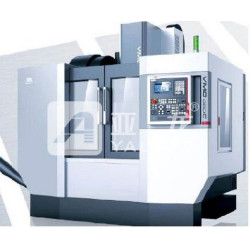
YL-557D-850E Educational CNC Milling Machine


TRAINING & EDUCATION SYSTEMS
Nvis 5004B TechBook for Modular Embedded Development Platform


TRAINING & EDUCATION SYSTEMS
Nvis 6009 Platform for Experimentation with Solar and Wind Energy

TRAINING & EDUCATION SYSTEMS
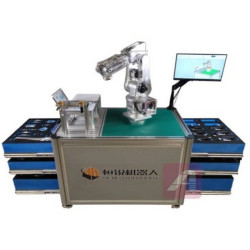
W-4 Industrial Robot Disassembly Training Workstation


TRAINING & EDUCATION SYSTEMS
Nvis 7068 Single and Three Phase Inductive Load


TRAINING & EDUCATION SYSTEMS
Nvis 7203 Three Phase AC Voltage Controller Laboratory
TRAINING & EDUCATION SYSTEMS
AutoEDU AE411060M Automatic Transmission Educational Trainer


Tap to zoom
