Shopping Cart

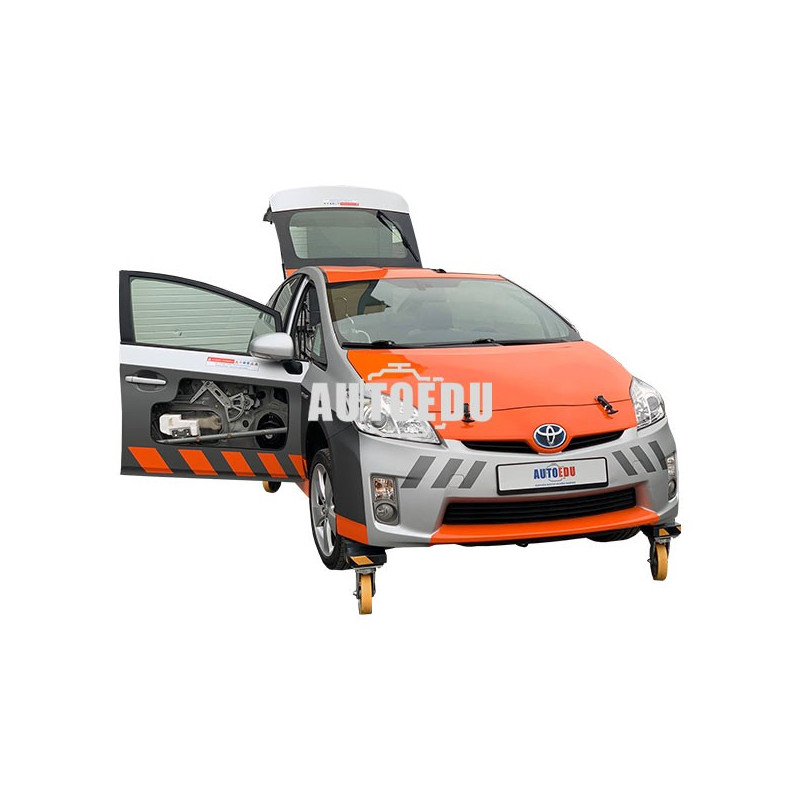
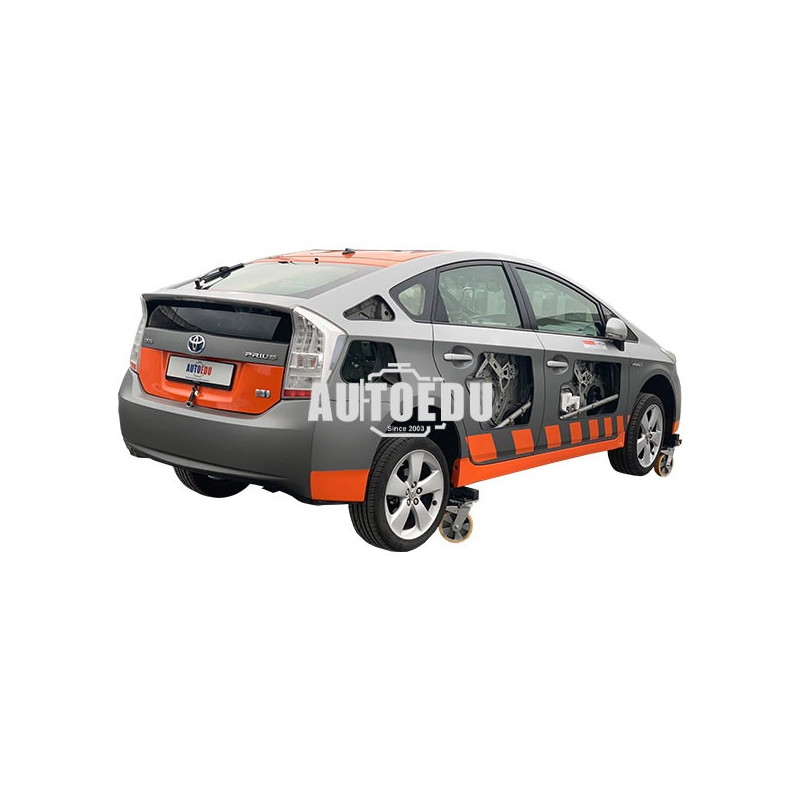


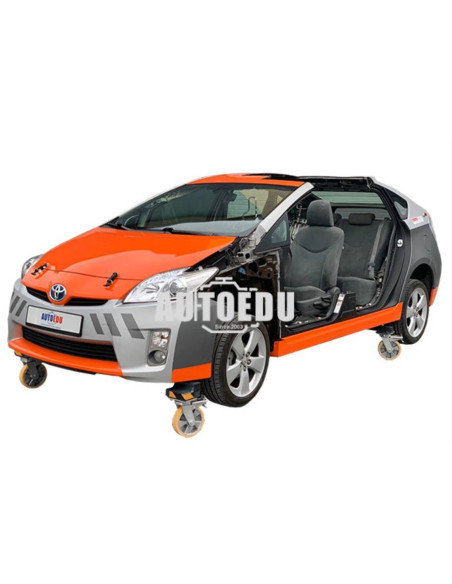

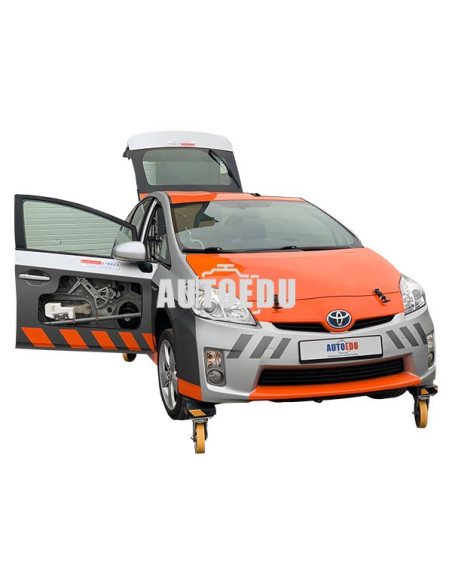

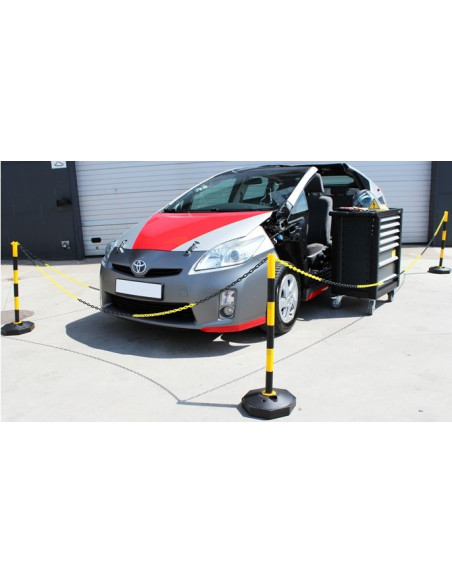

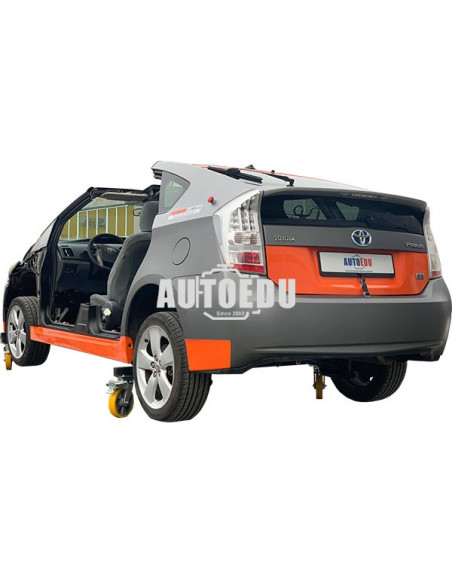




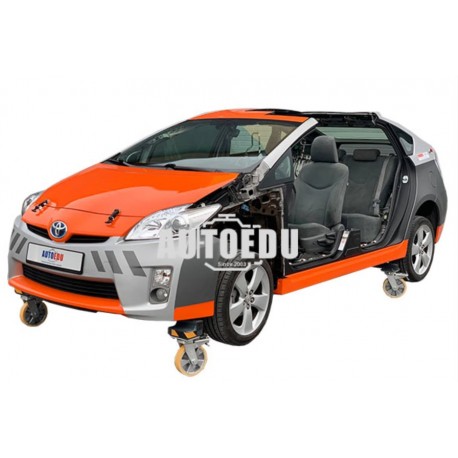
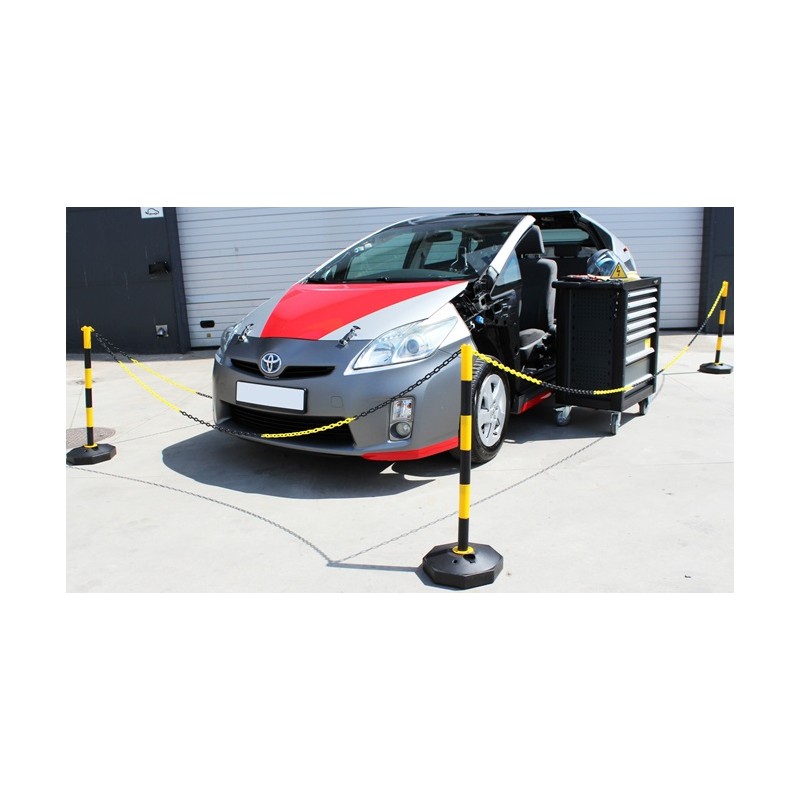
Functional Vehicle based on Toyota Prius III Technology Functional Model Gasoline / Electric / LPG HYBRID
◆ The operating model allows students to learn the specifics of the systems work, operation modes, various measurements, monitor real parameters and perform diagnostic procedures.
◆ The model is based on the Toyota Prius III with an optional internal combustion engine fueled liquefied petroleum gas system (LPG).
The PMTPK05 from AutoEDU is an educational trainer based on the Toyota Prius III with a petrol-electric hybrid system and LPG adaptation. It is designed for advanced technical training in hybrid propulsion, alternative fuels, and automotive electronic management, providing a specialized platform for studying energy-efficient technologies applied to hybrid vehicles.
The unit allows analysis of the hybrid system architecture and the interaction between the combustion engine, the electrical system, and LPG technology, helping users understand the operating logic of a hybrid vehicle adapted to run on alternative fuels.
This trainer supports the study of cooperation between hybrid and fuel subsystems, as well as the relationship between propulsion, electronic management, and energy efficiency. Its educational application is especially relevant for centers teaching hybrid vehicles, alternative energy systems, and diagnostics of modern automotive systems.
As an educational resource, it helps students identify components, interpret energy flow, and understand the role of electronics in the coordinated operation of a hybrid powertrain with LPG.
The PMTPK05 is suitable for universities, technical colleges, and vocational centers requiring specialized teaching equipment for petrol-electric hybrid technologies and complementary LPG solutions. Its functional and educational approach makes it a valuable tool for theory sessions, demonstrations, and system architecture analysis.
The PMTPK05 training system is based on a full-size vehicle platform with overall dimensions of 4460 x 1745 x 1510 mm and an approximate weight of 1805 kg.
The system operates using the original vehicle power architecture, including a 12 V auxiliary battery and a high-voltage battery pack of approximately 200 V. The petrol engine is designed to operate with A91 gasoline or higher.
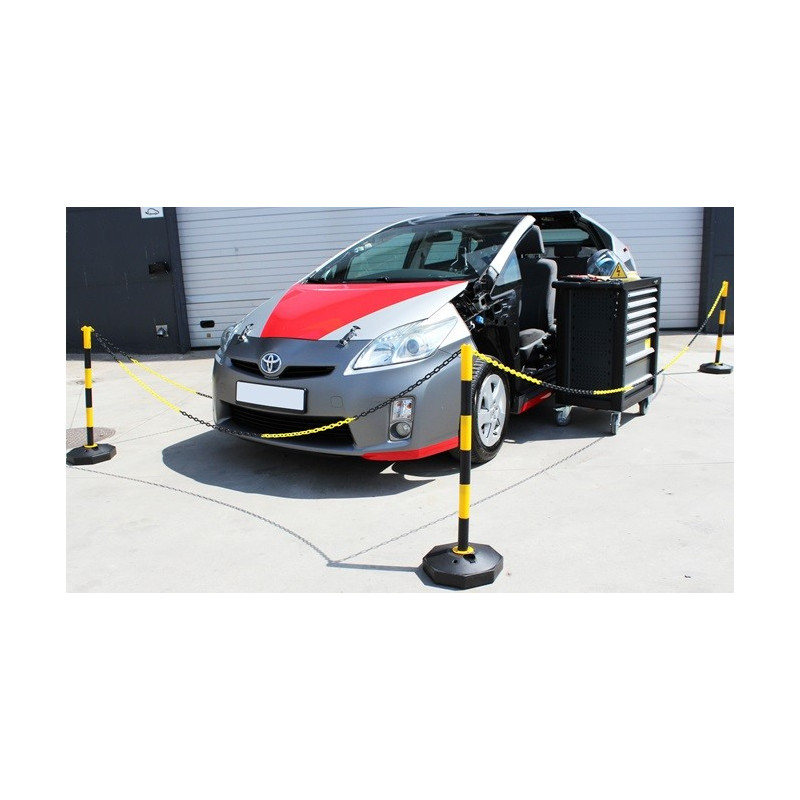
For safe operation during training, the optional EHVS01 Protective Tools Set is recommended, especially when working around hybrid and high-voltage vehicle systems.
Main specifications:
■ Product number: PMTPK05
■ Dimensions: 4460 x 1745 x 1510 mm
■ Weight: approx. 1805 kg
■ Power supply: 12 V battery and approx. 200 V high-voltage battery pack
■ Fuel: A91 gasoline or higher
■ Optional safety equipment: EHVS01 Protective Tools Set
Optional accessories:
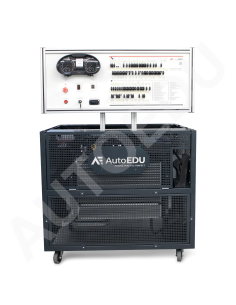
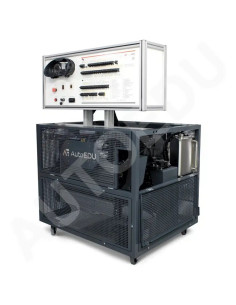
- Built in measuring box with open contacts and wiring diagram for engine control system
- Fault simulation for engine control system
- Built in measuring box with open contacts and wiring diagram for climate control
- Fault simulation for climate control
- Built in measuring box with open contacts and wiring diagram for SRS AIRBAG
- Fault simulation for SRS AIRBAG
Optional tools and equipment for measurement and services:
- Oscilloscope
- OBD Diagnostic scan tool
- The gas analyzer
- The exhaust extraction system
- Air Conditioning service station
Hybrid Vehicle and LPG Training System
This OEM-based hybrid vehicle training system with LPG supply is designed for practical study of hybrid propulsion, vehicle body construction, chassis layout, and passive and active safety systems.
The system provides a safe and realistic learning environment using original automotive components, allowing students to develop confidence in vehicle diagnostics, repair procedures, and system analysis.
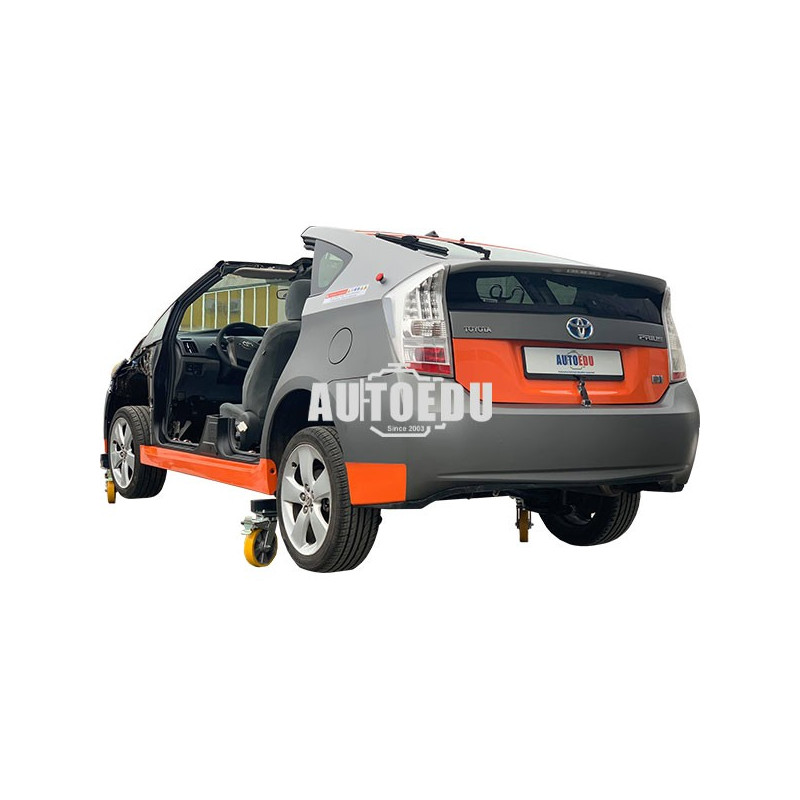
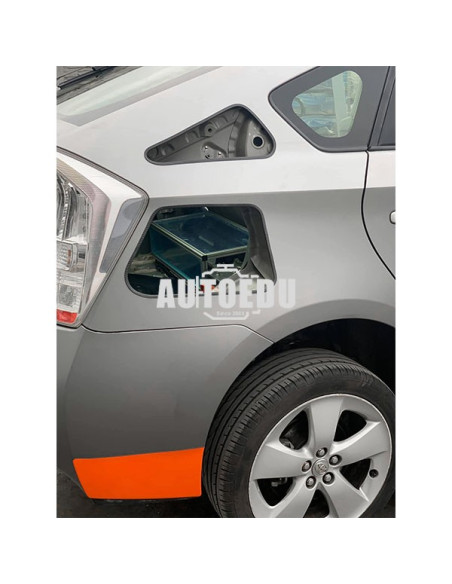
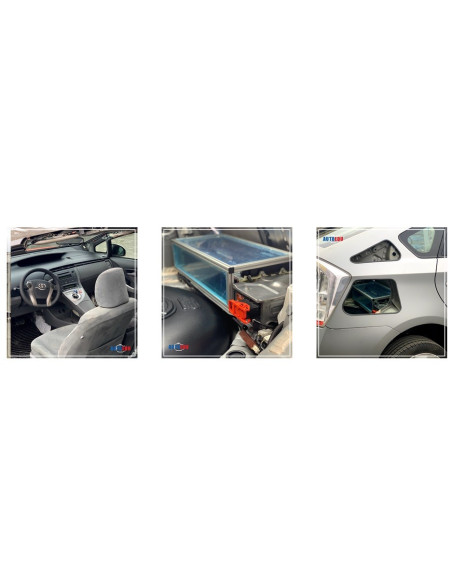
It enables detailed study of hybrid vehicle operation, including driving modes, high-voltage architecture, energy management, and diagnostic procedures. Selected sections of the vehicle body are opened or removed to give clear visibility of structural and safety-related components, including the roof section, front fender area, and interior door trim.
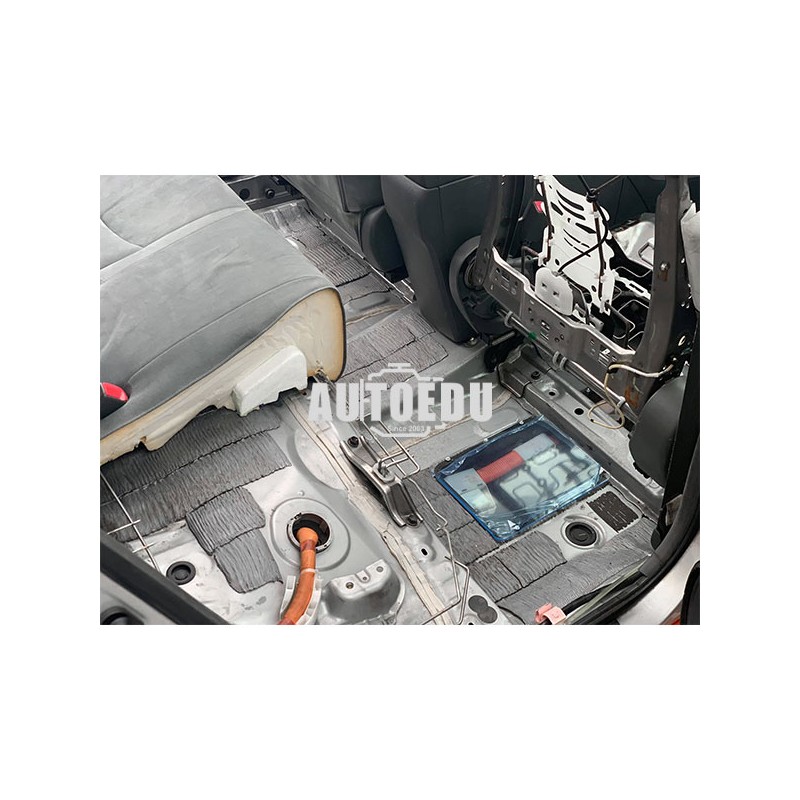
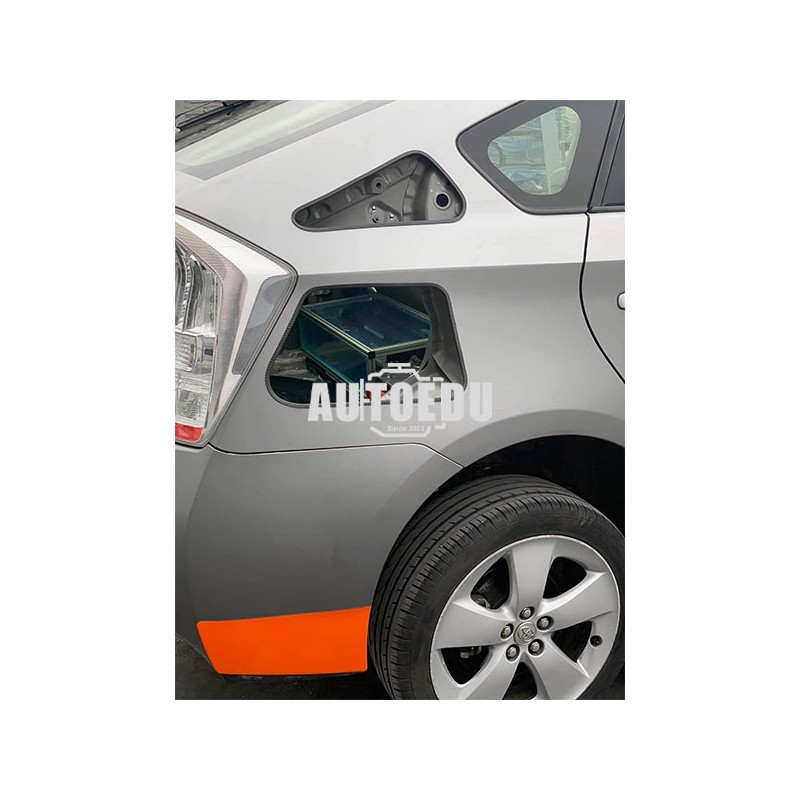
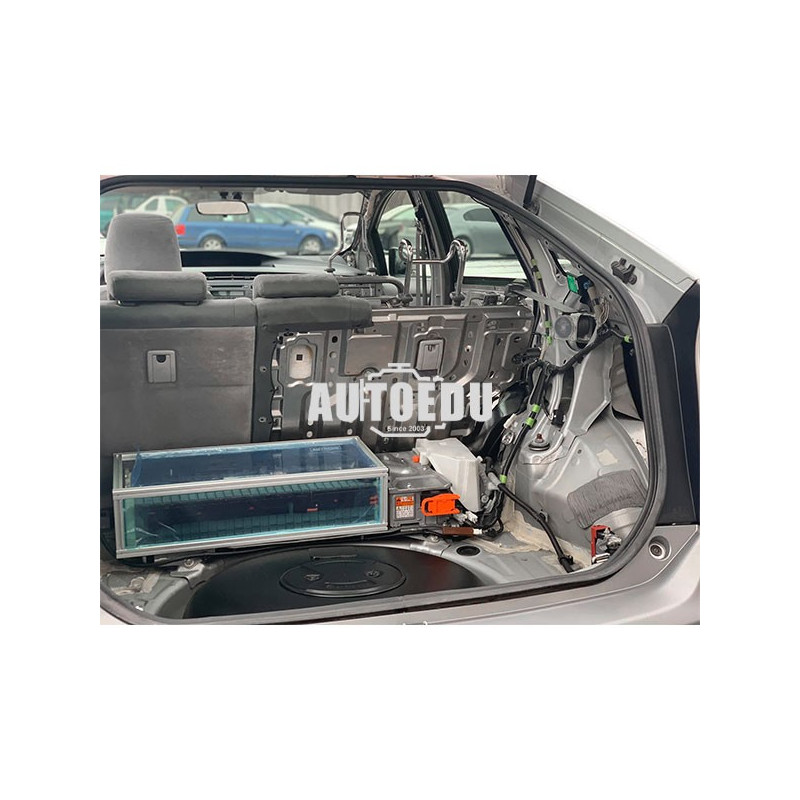
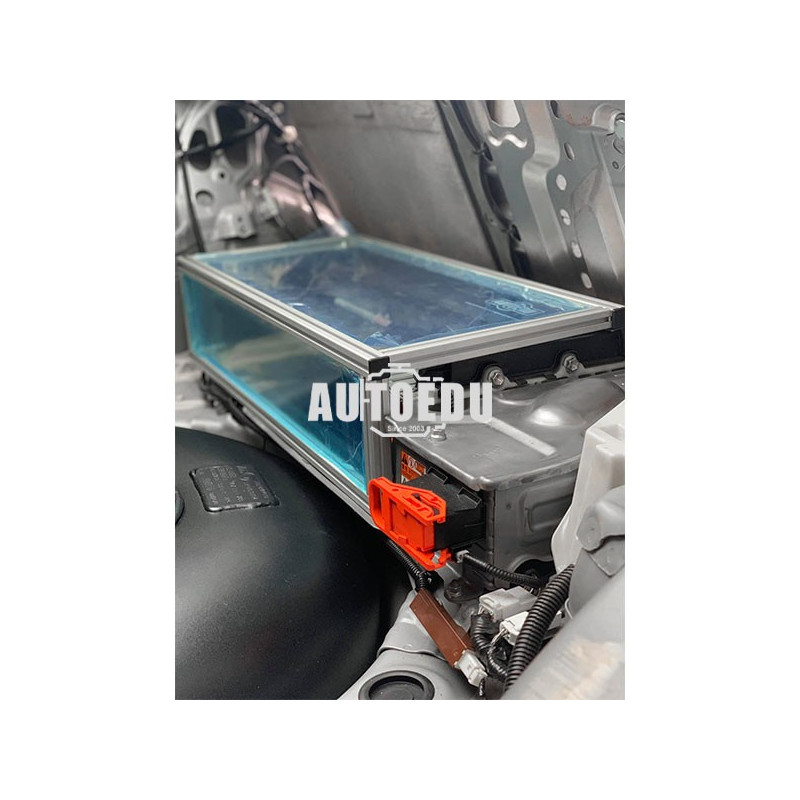
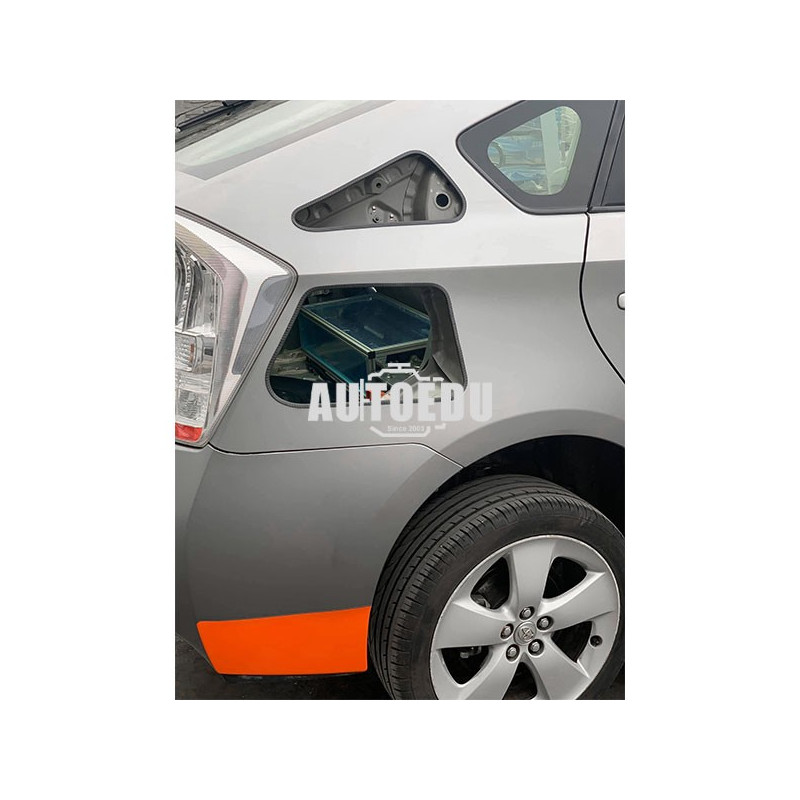
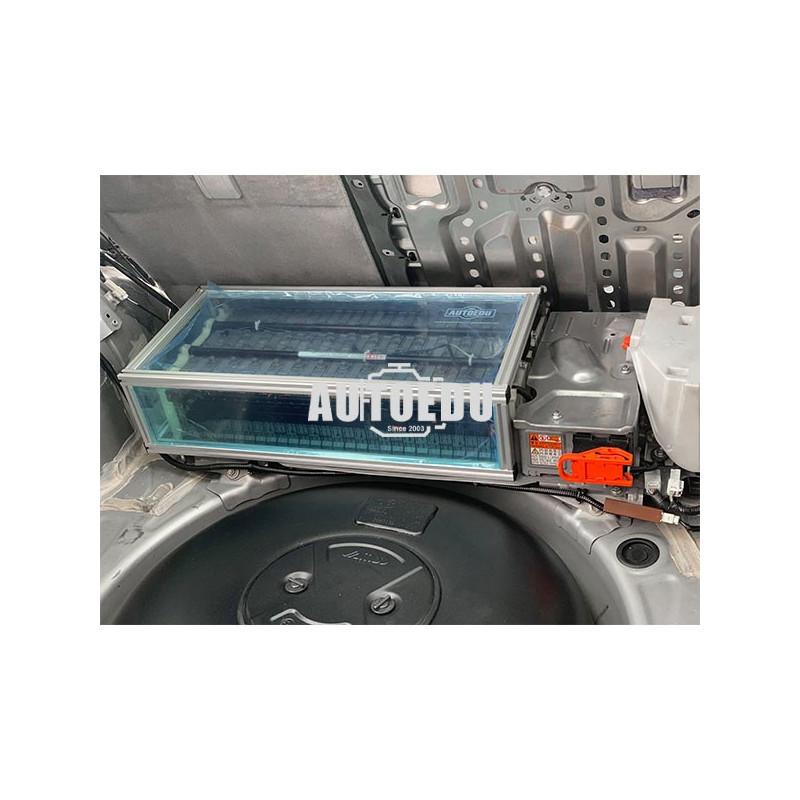
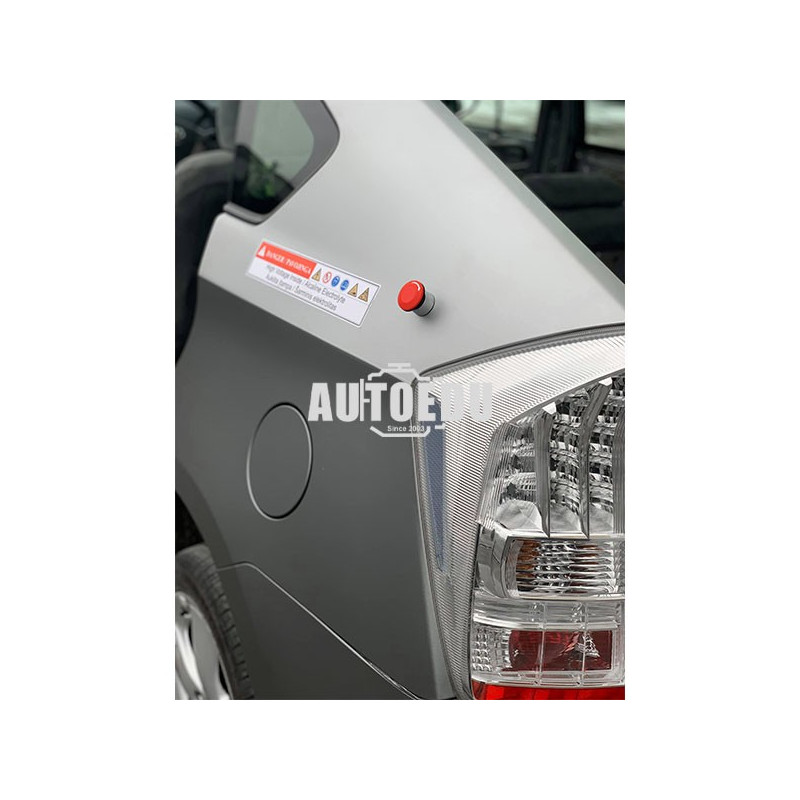
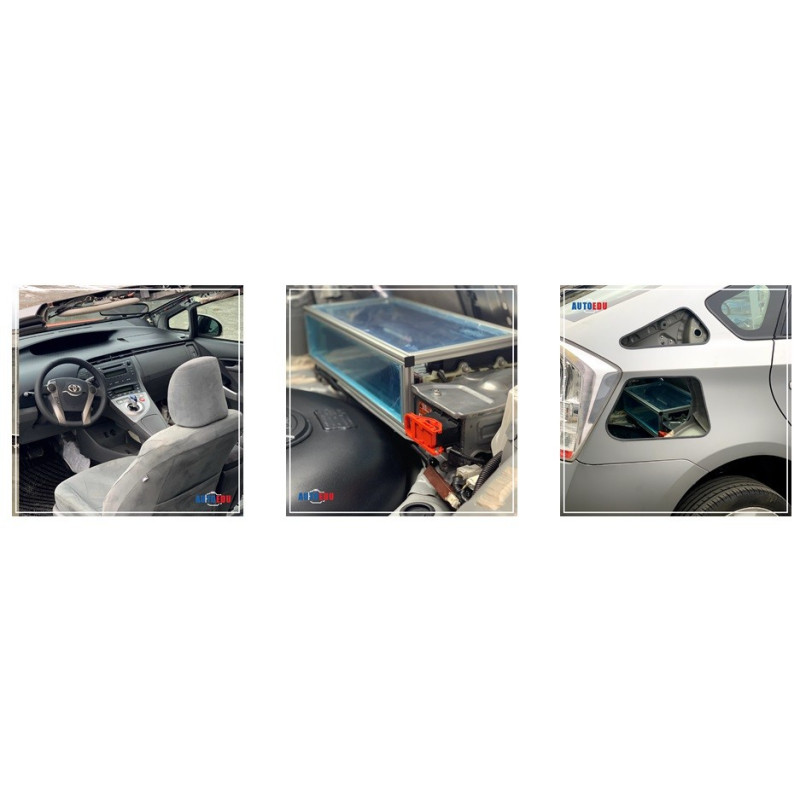
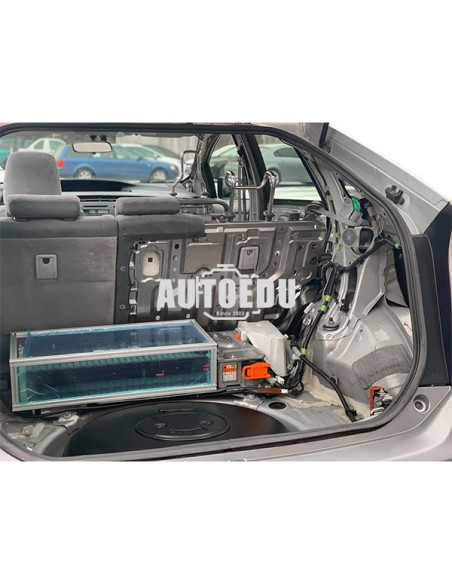
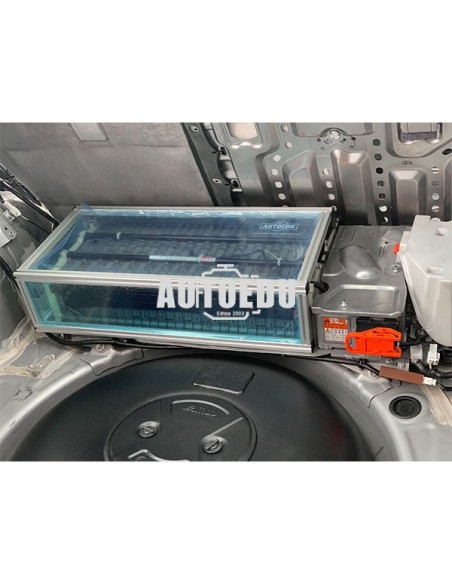
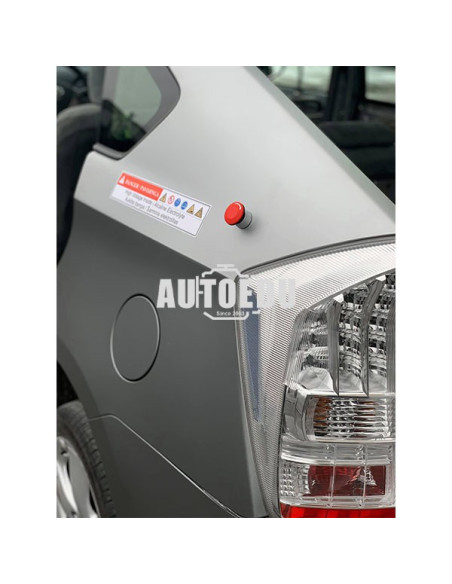
The high-voltage battery is opened and protected with safety glass, allowing safe visual access to its internal components. High-voltage cables from the battery to the engine compartment are also visible through protective glass. The maintenance high-voltage fuse is accessible for demonstration purposes, while the inverter is displayed with its top cover removed and protected by safety glass for safe structural inspection.
Students can perform measurements, monitor live system parameters, and complete diagnostic exercises using professional tools such as OBD diagnostic scan tools, oscilloscopes, gas analyzers, exhaust extraction systems, air conditioning service stations, and other workshop equipment.
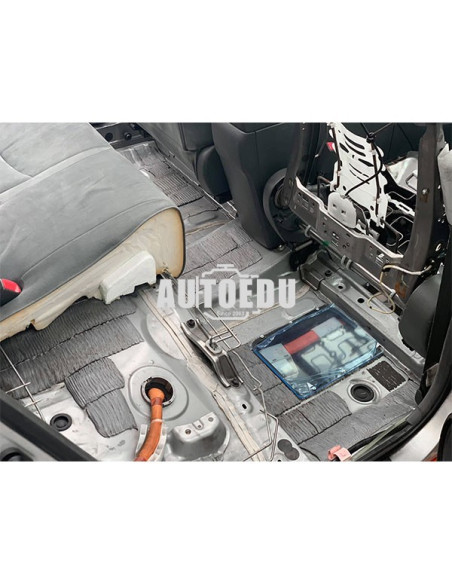
The engine is equipped with an LPG supply system to demonstrate the structure and operation of alternative fuel technology. The gas filling valve with adapter is installed at the petrol filling point, while the LPG cylinder is located in the spare wheel compartment. The pressure gauge, filling lines, supply lines, and safety valve are clearly visible for training and inspection.
The system also allows the study of ABS, stability control, and airbag systems through exposed and deactivated components, ensuring safe and detailed demonstration of vehicle safety technologies.
The integrated OBD 16-pin diagnostic connectors enable complete diagnostic practice, including reading and clearing fault codes, monitoring live data, controlling or configuring control units, and performing actuator tests.
Main Training Applications
■ OEM hybrid vehicle system operation
■ LPG fuel supply system structure and function
■ High-voltage battery and inverter inspection
■ Hybrid operating modes and energy management
■ Body and chassis structural analysis
■ Passive and active vehicle safety systems
■ ABS, stability control, and airbag system study
■ Live data monitoring and electrical measurements
■ OBD diagnostics, fault code handling, and actuator testing
Safe visual access to exposed components through protective glass