Shopping Cart






Accessories (Cells, Electrodes, Kits, etc.)

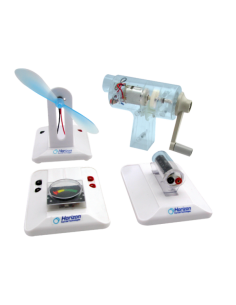
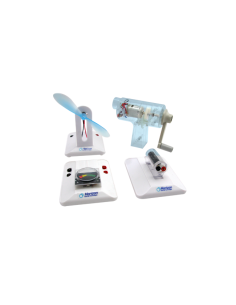
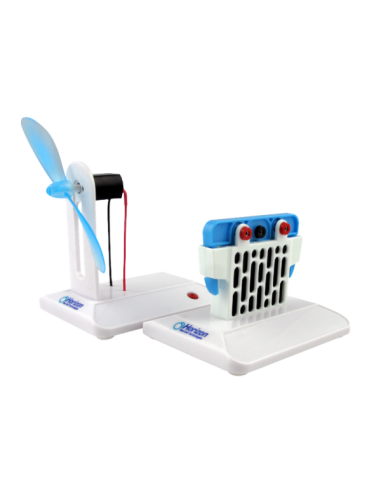
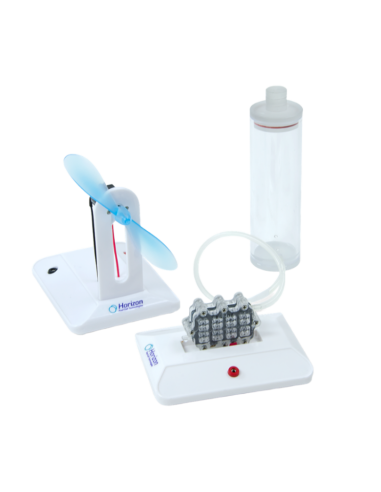
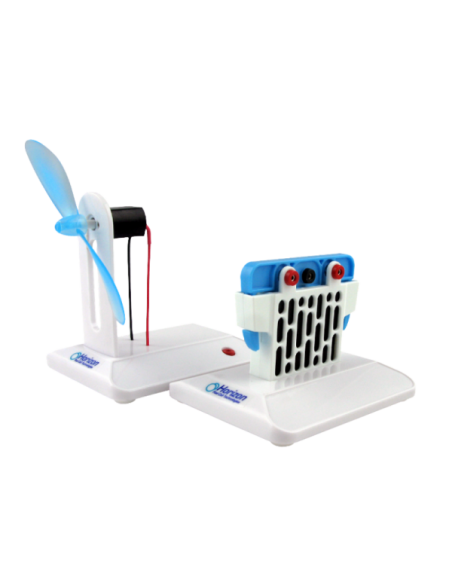
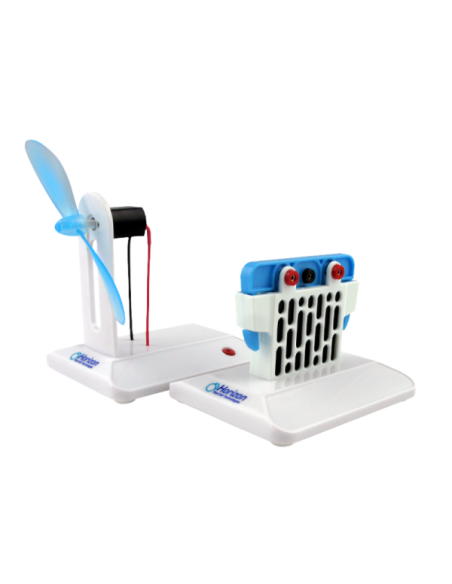
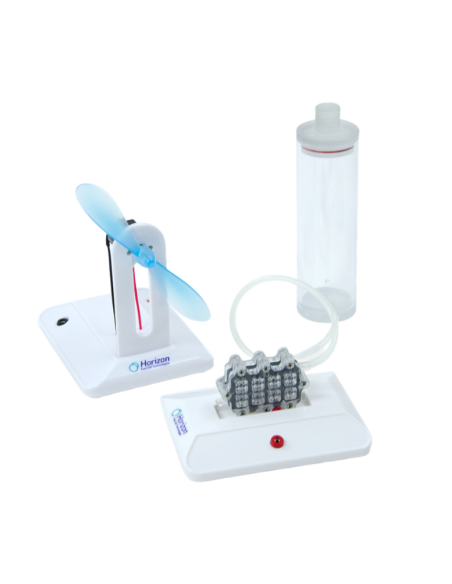
STEM kit for exploring how a salt water fuel cell generates electricity with magnesium, air and saline solution. Includes 4 hands-on experiments and powers a mini fan while students analyze voltage, current and test variables.
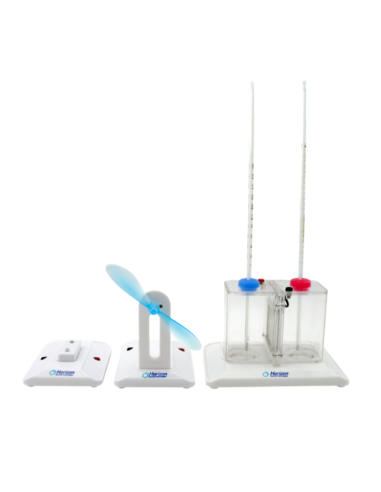
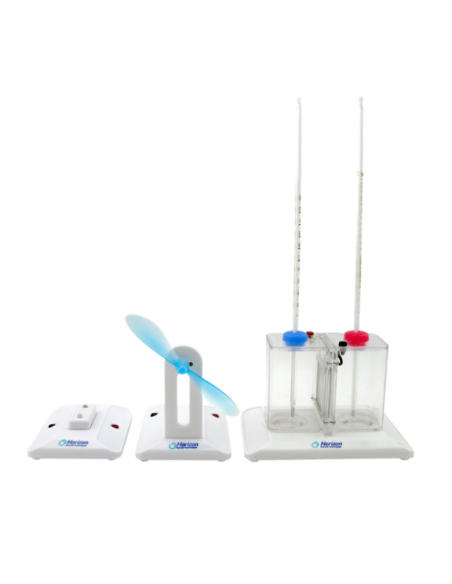
The FCJJ-34 Salt Water Fuel Cell Science Education Kit demonstrates an advanced electrochemical power concept by combining a salt water electrolyte with magnesium plates to generate electrical energy. The kit lets students investigate salt water fuel cell technology by powering the included mini fan or by building their own small power applications.
This type of fuel cell works with air and a magnesium plate. At the anode, water reacts with magnesium and produces hydrogen ions, magnesium hydroxide and free electrons. At the cathode, oxygen from the air reacts with water to form hydroxide ions. The electrons move through the external circuit to the cathode, creating usable electric current. Salt acts as a catalyst and accelerates the reaction between magnesium and water.
The kit is designed for middle school and high school education and supports learning in electrochemistry, energy, reaction rates, reaction yield, chemical reactions and solution concentration. It also connects with earth science and renewable energy topics.
Beyond the lab equipment, the Horizon Energy curriculum provides hands-on lab activities, a teacher's guide, a student's guide and classroom resources that support inquiry-based learning.
| Reference | FCJJ-34 |
| Manufacturer | Horizon Educational |
| Education level | Middle school and high school |
| Number of experiments | 4 |
| Lesson time | 2-4 hours |
| Teacher's guide | 14 pages |
| Student's guide | 10 pages |
| Typical output voltage | 1.2 V |
| Typical current | 200 mA |
| Concepts | Electrochemistry, energy, reaction rates, reaction yield, reactions, solution concentration, renewable energy |