
Shopping Cart
- Home
- Who We Are
- Products
-
Brands
-
Products by Measure
- Vibration Analyzers
- Peristaltic Pumps
- Airflow
- CO Carbon Monoxide
- Geiger counters
- Destiladores
- Spectrophotometry
- Sterilization
- Fluorescence
- GEOTECHNICS
- Soil Moisture
- Leaf area index
- Rain Gauge
- Meteorology
- Water Level
- O2 Oxygen
- pH
- Differential Pressure
- Radiation
- Salinity/Conductivity
- Telemetry
- Air Speed
- Relative Humidity
- Veterinary
- FUEL CELL HARDWARE
- Network Analyzers
- Calibrators
- WATER FLOW
- Color / Colorimeter
- Particle Counters
- Wind Direction
- Spectrometry
- Evapotranspiration
- Photosynthesis
- Cracks in Buildings
- Pipes Inspection
- Quantum Light
- Movement & GPS
- Diesel Level
- Oxígeno Disuelto DO
- Atmospheric Pressure
- Radon
- Sap/Sap Flow
- Temperature
- AIR QUALITY
- Ammonia
- Chlorophyll
- Conductivity in Soil
- Dendrometers
- Electrochemistry
- Spectroradiometry
- Pharmacy & Medicine
- GAS (ANALYZERS)
- Leaf Wetness
- Idc (DC Current)
- KW & KW/H
- PAR Light
- Nitrate
- Occupation and Time
- Particle Meters
- Soil Water Potential
- Pulses
- Flavor/Taste/Acidity
- Sodium
- Turbidity
- VOC
English
EUR €
Radon measurement in soil - Ecotrak® SKU: 510061
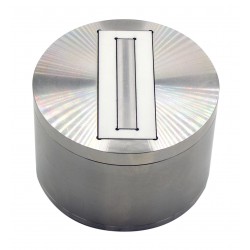
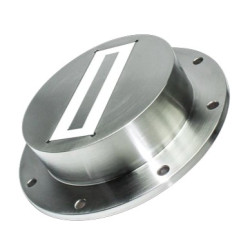
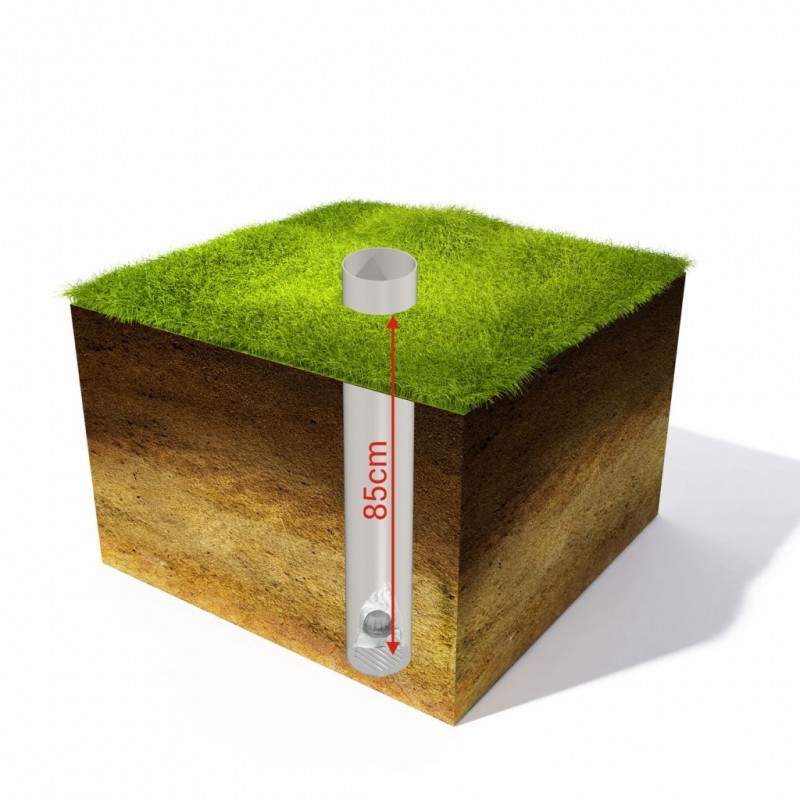
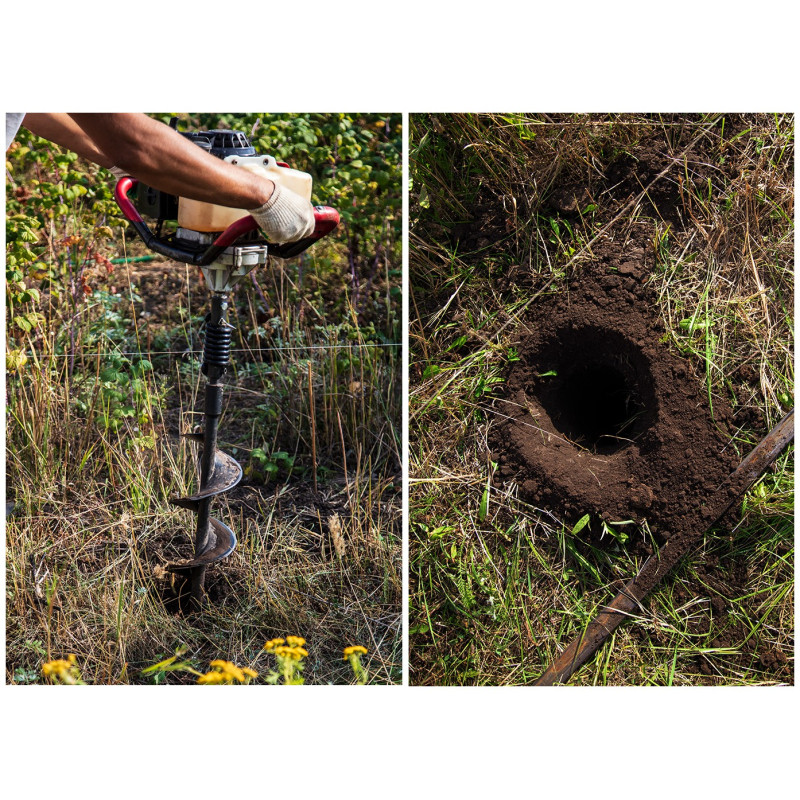
Measuring the radon concentration in the soil is straightforward. The measurement is carried out with our detectors as an accredited service with a measurement interval of 1 to 7 days and can be carried out at any time of the year, as long as the ground is free of frost and it has not previously rained. The analysis is performed by our laboratory and the results are sent by email within one week of receiving the detectors.
This type of measurement is often used to determine radon levels before building a new property or expanding or modernizing an existing property. We recommend using at least three detectors for an area of 100 m², and it is advisable to have at least one additional detector for every additional 50 m².
Uranium and radium are the two elements that contribute to the high levels of radon gas found in the soil. Radon gas levels can vary greatly depending on the type of soil. As a general rule of thumb, the more aerated the soil composition, the higher the radon level, because a more compact composition makes it difficult for radon to circulate.
- Type of Instrument
- Gas Analyzer
- The instrument measures:
- Radon
Viewed products
16 other products in the same category:
SENSORS & PROBES