Shopping Cart


SPECTROMETERS & SPECTRO-RADIOMETERS

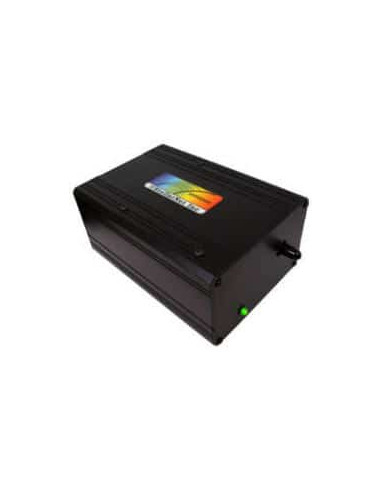
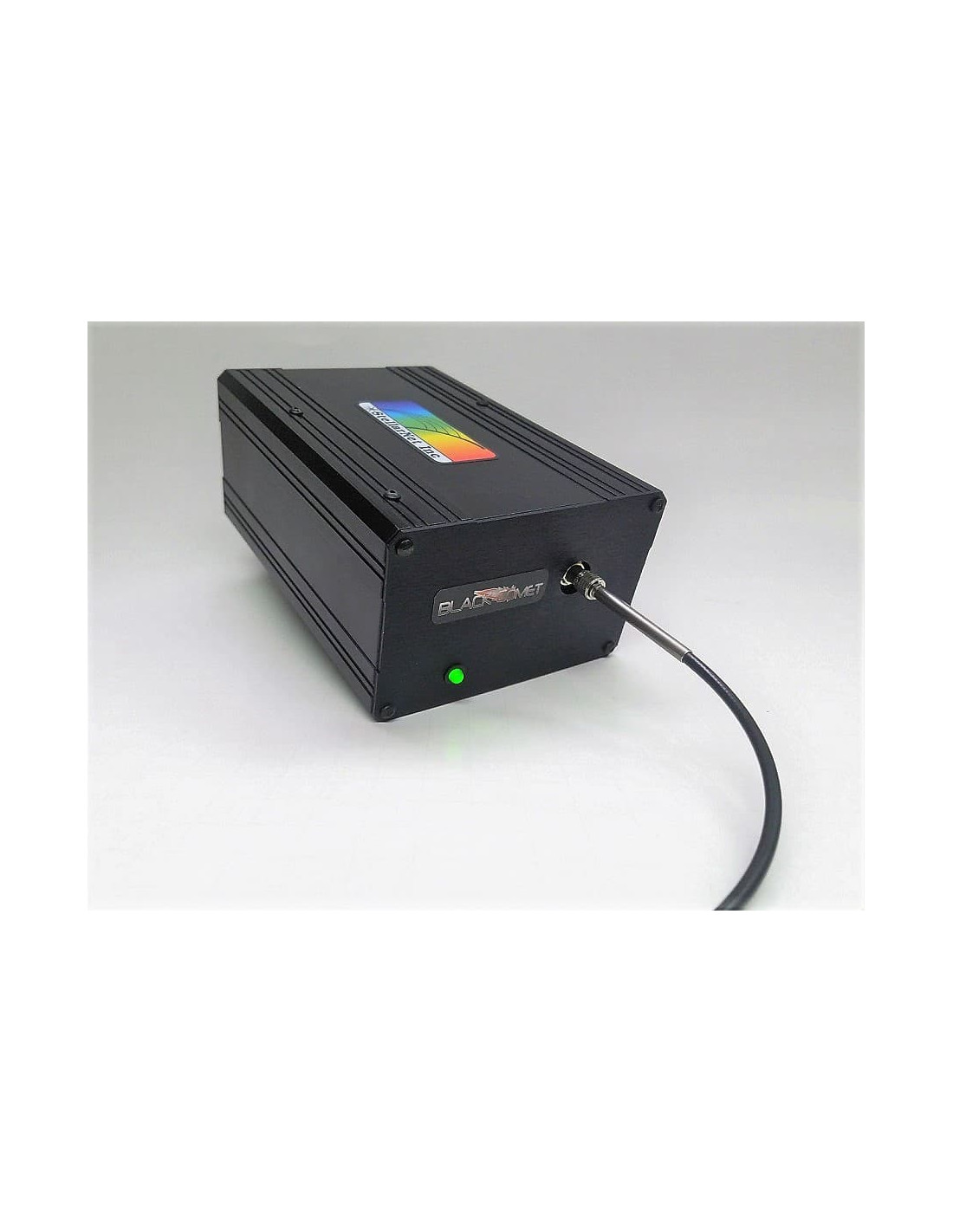
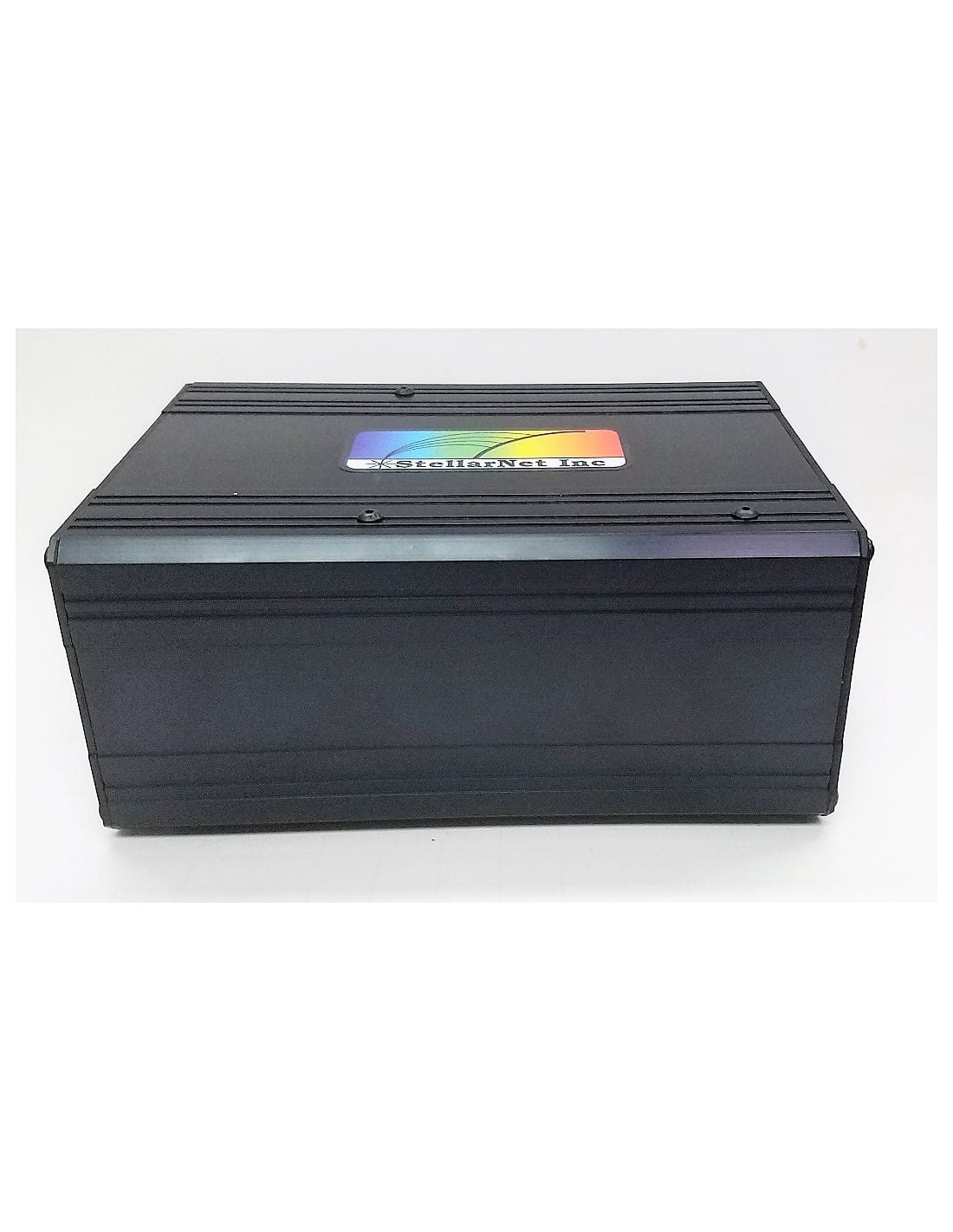
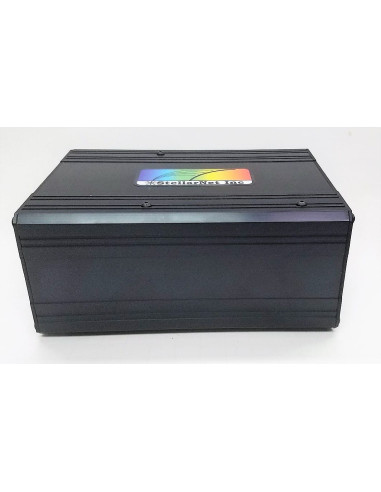
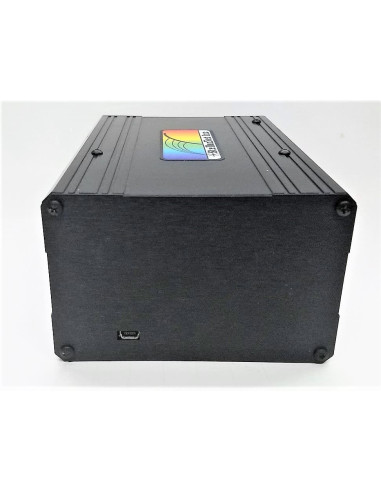
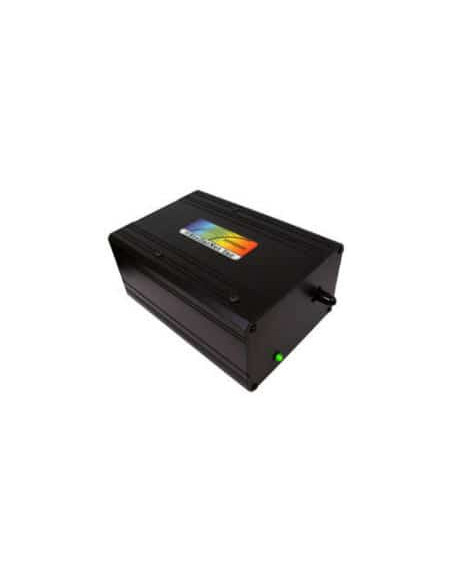
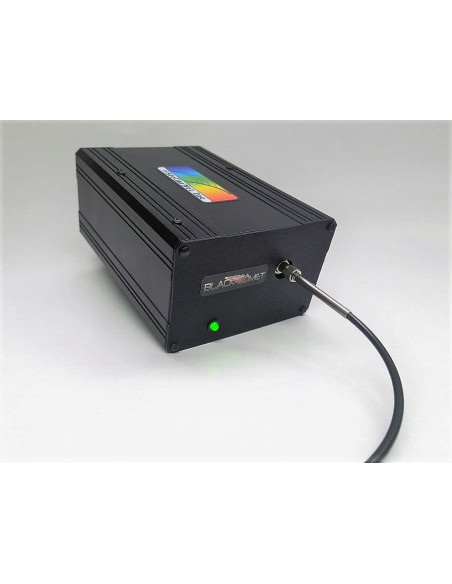
The StellarNet BLACK-Comet is a UV-VIS concave grating spectrometer for high-performance applications over 190-850 nm or 280-900 nm. Its mirrorless optical design minimizes stray light and provides flat-field imaging with uniform resolution.
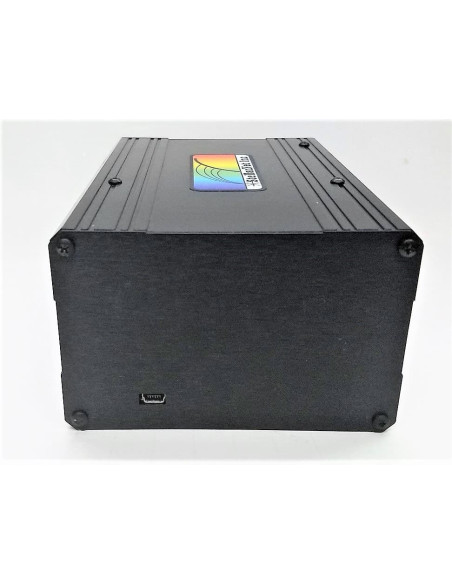
It includes a fast 16-bit digitizer, onboard memory, USB 2.0 power and an optional TEC detector upgrade to improve signal-to-noise by up to 60% in long exposures.
StellarNet BLACK-Comet spectrometers use aberration-corrected concave holographic grating optics to deliver research-grade performance for UV-VIS spectroscopy.
The series covers 190-850 nm in the BLK-C model and 280-900 nm in the BLK-CXR model. The mirrorless optical architecture minimizes stray light, improves UV sensitivity by two to three times compared with plane grating/Czerny-Turner designs and projects a flat field onto the CCD for uniform resolution across the wavelength range.
The instrument uses a 40 mm diameter concave grating, updated electronics with a fast 16-bit digitizer and a signal-to-noise ratio up to 1000:1. The optical bench architecture without mounting turrets or optical posts reduces thermal effects and improves stability with temperature changes.
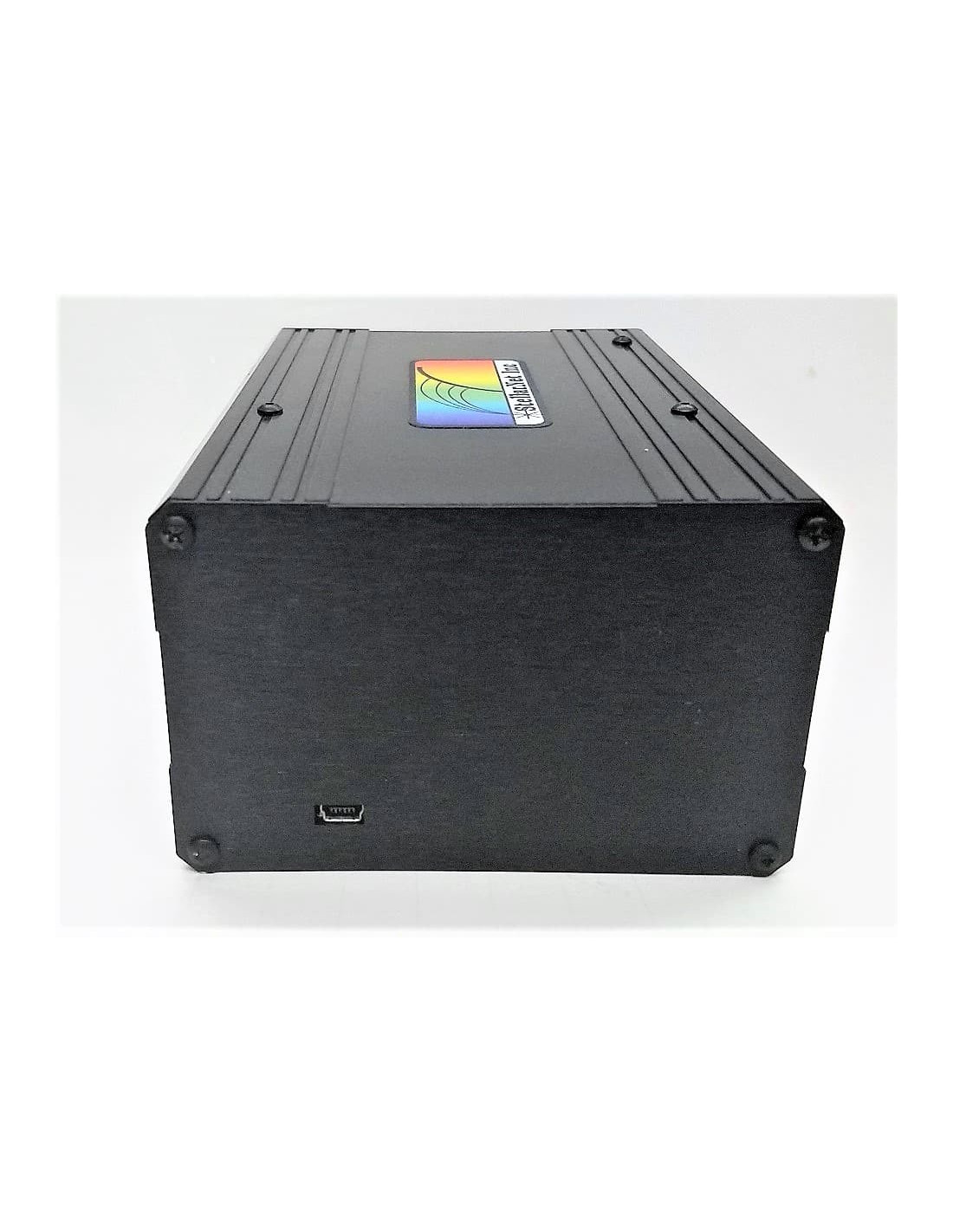
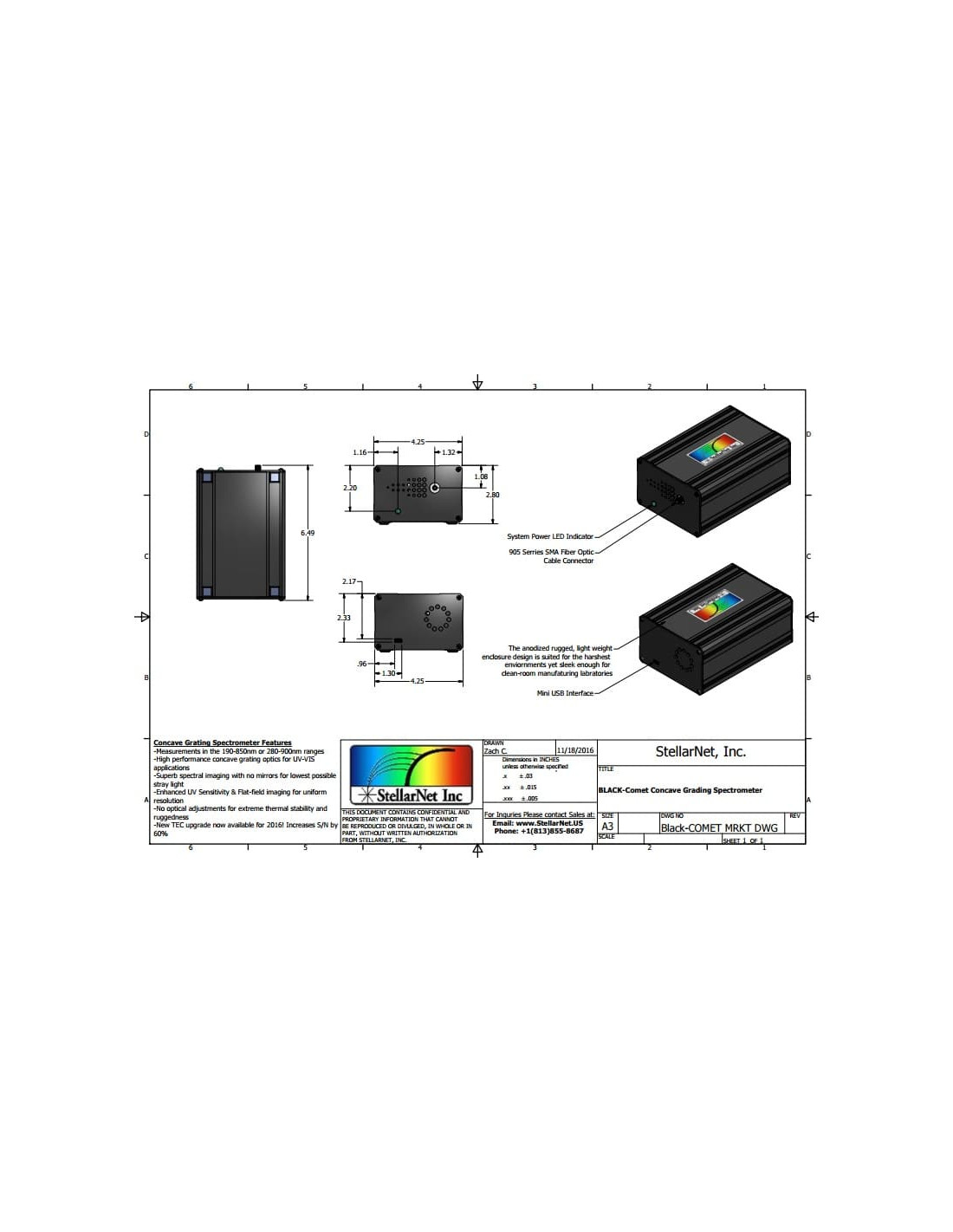
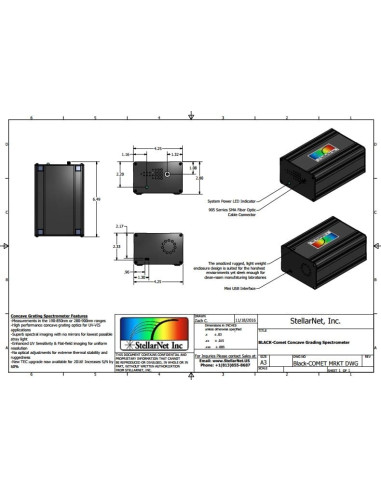
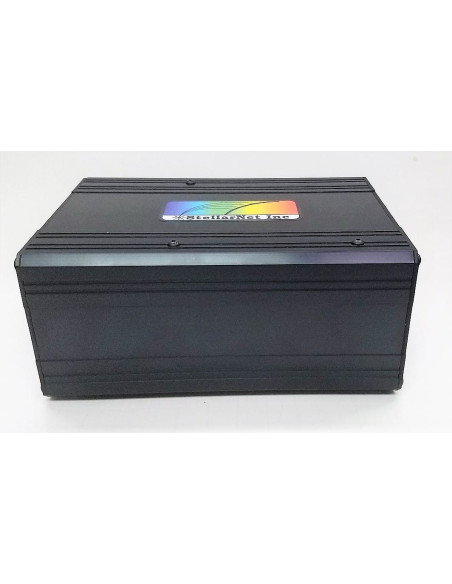
Its rugged modular metal enclosure with no moving parts makes it suitable for lab, field, process and portable applications. Up to 8 units can be daisy chained at once.
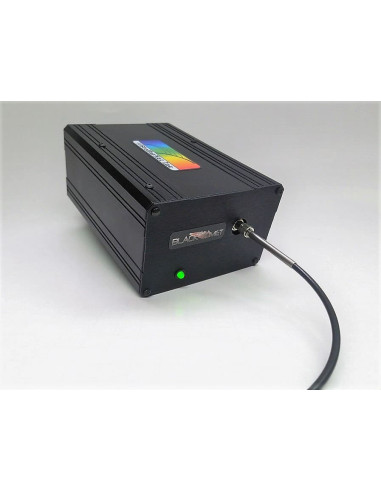
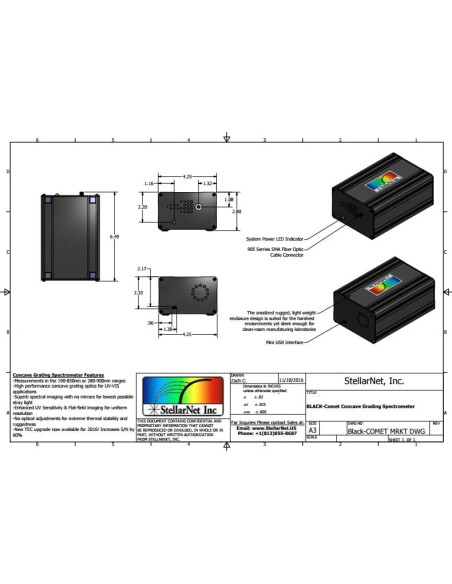
Optical input is delivered through a single-fiber cable or probe assembly using a standard SMA 905 connector. Onboard memory stores preset calibrations, spectrometer settings and a snapshot spectrum from the sensitive 2048-element CCD detector.
Available options include interchangeable 14, 25, 50, 100 and 200 um slits, a TEC upgrade that cools the detector 15 degrees below ambient and zAP1/zAP2 upgrades for automation, WiFi and extended connectivity.
Main technical specifications
| Type | UV-VIS concave grating spectrometer |
| Base models | BLK-C and BLK-CXR |
| Spectral ranges | 190-850 nm (BLK-C) and 280-900 nm (BLK-CXR) |
| Optics | Aberration-corrected concave holographic grating, mirrorless design |
| Grating diameter | 40 mm |
| Digitizer | High-speed 16-bit |
| Signal-to-noise ratio | Up to 1000:1 |
| Detector | 2048-element CCD with snapshot memory |
| Optical input | SMA 905 connector for fiber cable or probe assembly |
| Power | USB 2.0 |
| Connectivity | Direct USB; WiFi/Ethernet options available |
| Multi-unit operation | Daisy chain up to 8 units |
| Options | TEC, zAP1, zAP2 WiFi, interchangeable 14/25/50/100/200 um slits |
Models and predicted slit resolutions
| Model | Range (nm) | Grating (g/mm) | 200 um | 100 um | 50 um | 25 um | 14 um |
| BLK-C | 190-850 | 590 | 6.0 | 3.0 | 1.5 | 0.85 | 0.75 |
| BLK-CXR | 280-900 | 590 | 6.0 | 3.0 | 1.5 | 0.85 | 0.75 |
Notes: the TEC upgrade cools the CCD 15 degrees below ambient and increases S/N by 60% at long exposures. Published response curves are typical examples and may vary with detector and configuration.