Shopping Cart
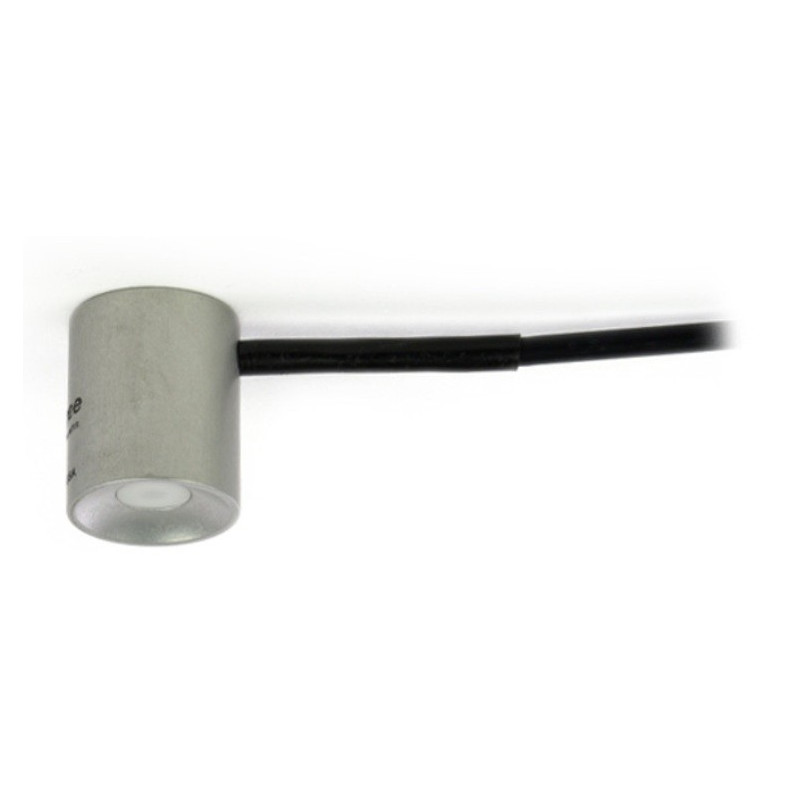








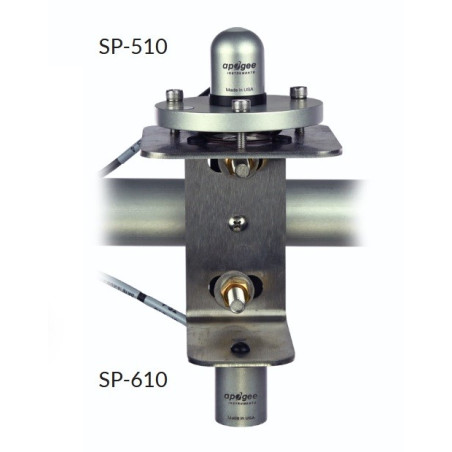



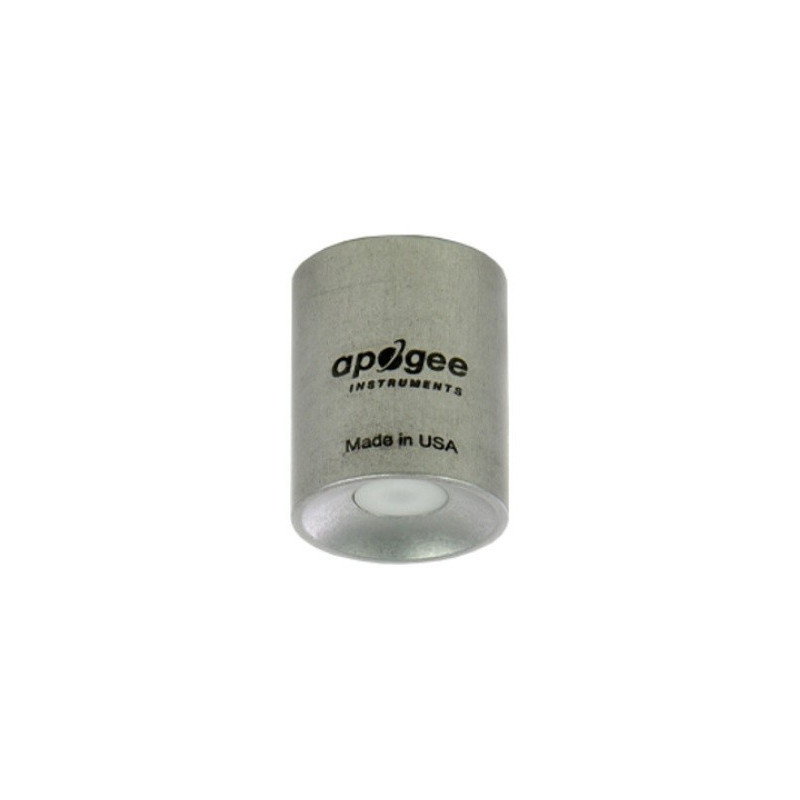
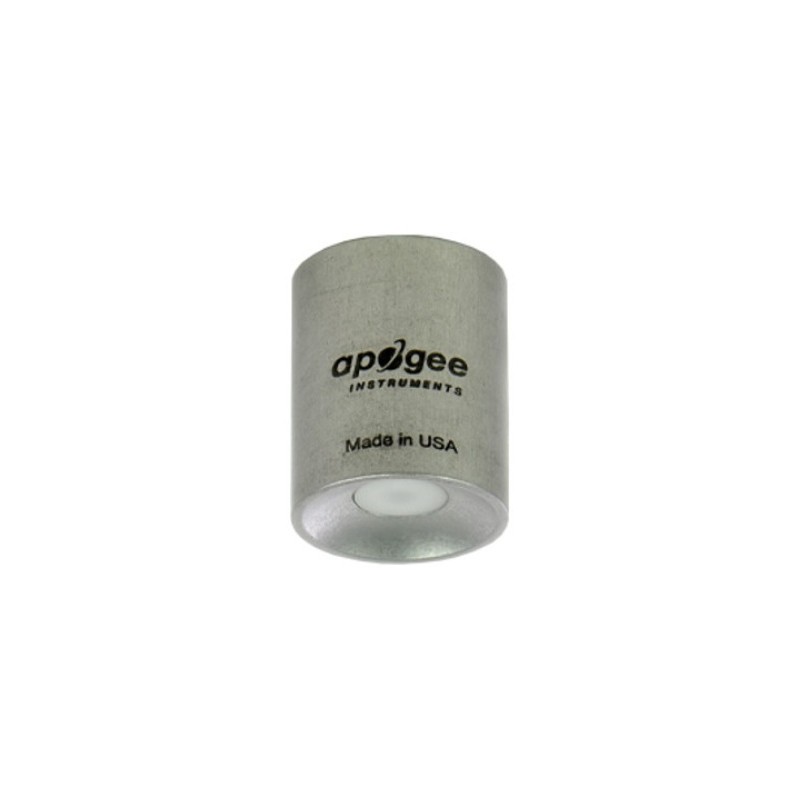
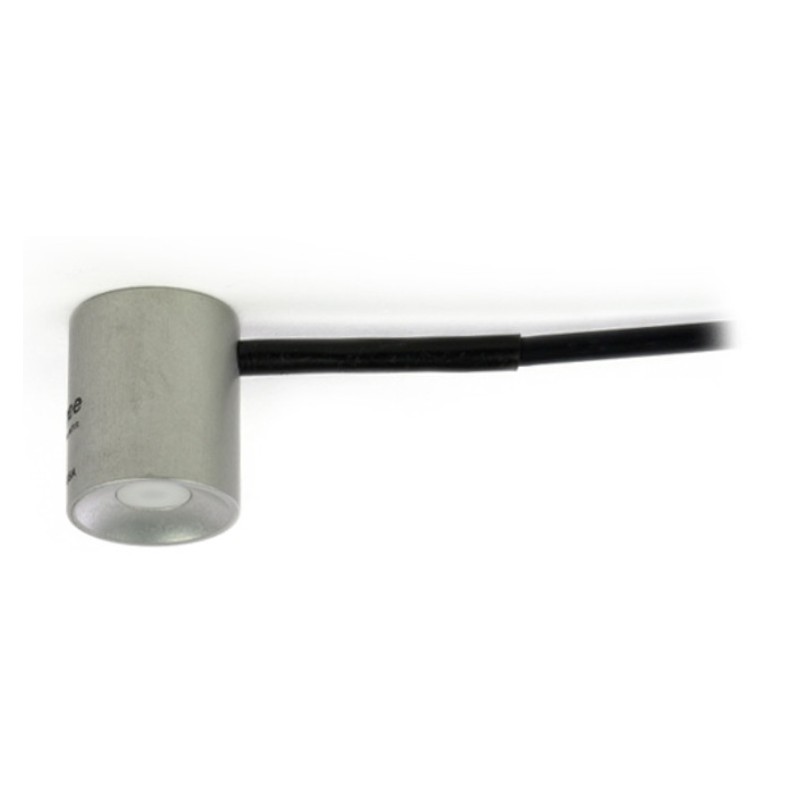
SP-610 is a downward-facing thermopile pyranometer that has an analog output range of 0 to 300 mV.
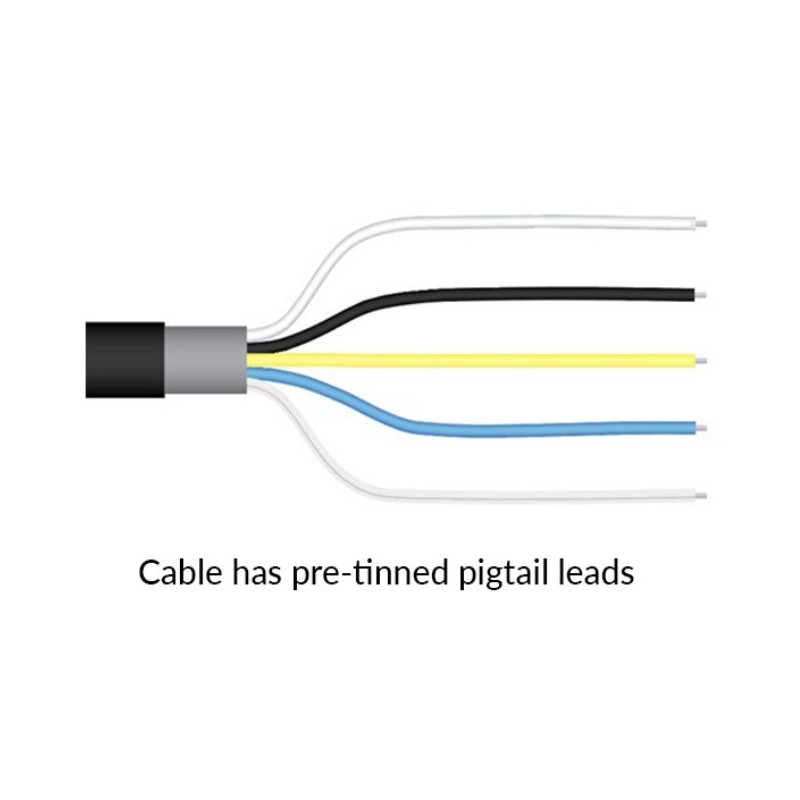
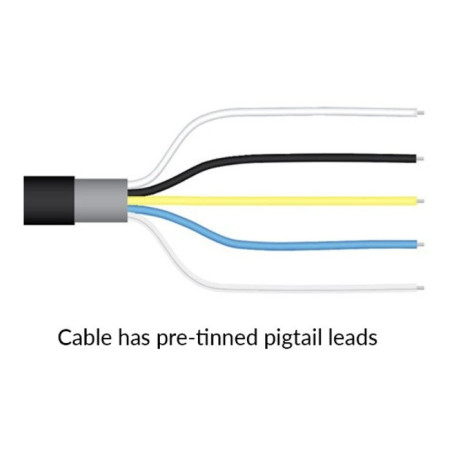
The sensor incorporates a blackbody thermopile detector and flat glass window with a rugged housing design, and high-quality cable terminating in pre-tinned pigtail leads for easy connection to controllers and dataloggers.
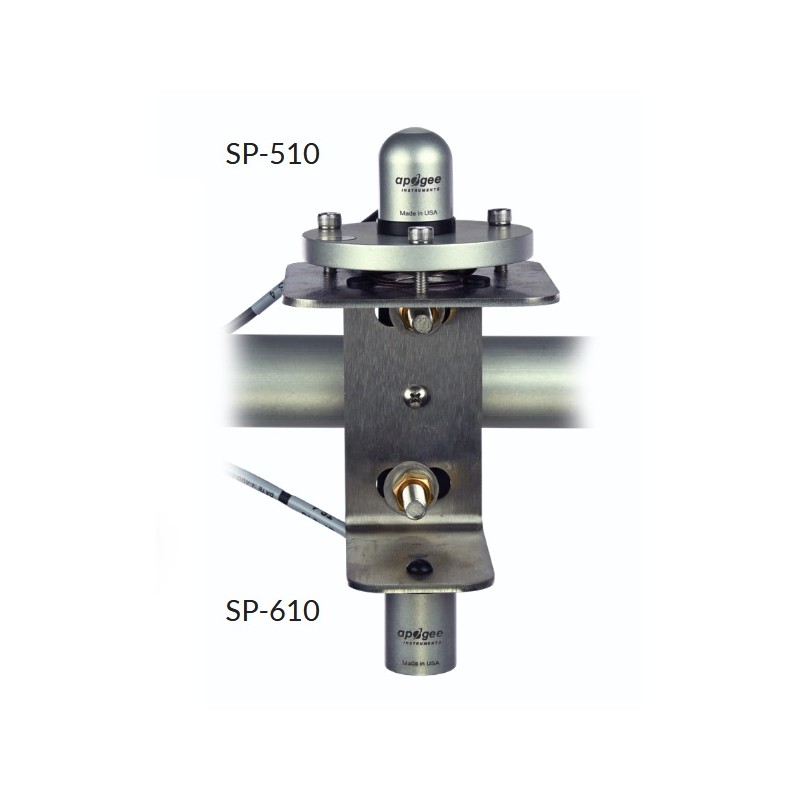
The sensor can also be coupled with our downward facing pyranometer to form an albedometer. For this application, we recommend the Apogee SP-710-SS Albedometer sensor package, which consists of one SP-510-SS upward-facing pyranometer, one SP-610-SS downward-facing pyranometer, an AY-001 differential splitter, and an AW-605-SS 5 meter cable.
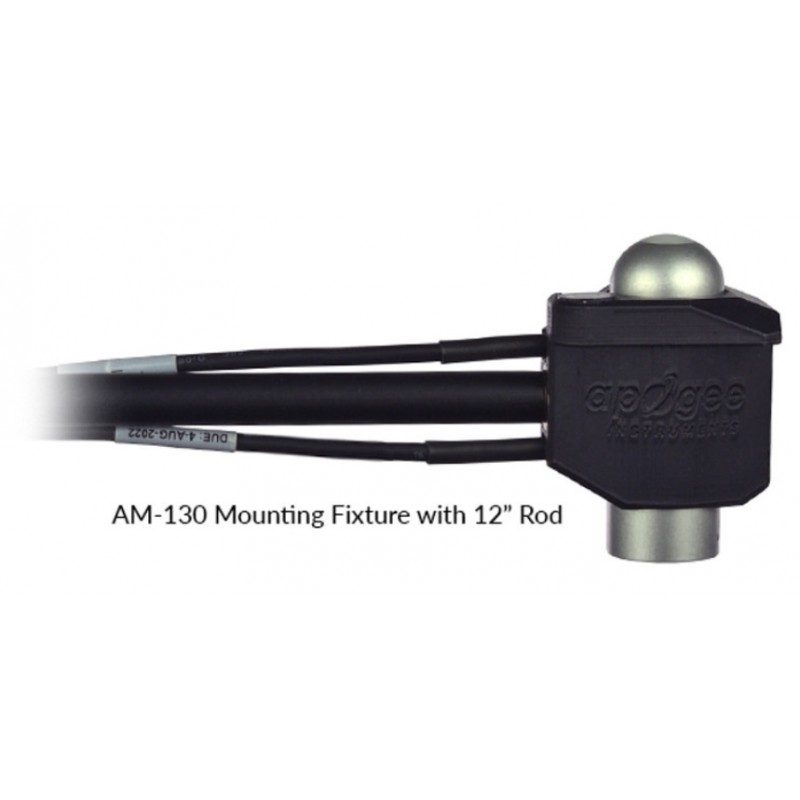
For mounting to a mast or directly to a solar panel, we recommend using either the AL-130 Albedometer mounting bracket or the AM-500 Net Radiometer mounting bracket paired with an AM-130 mounting fixture with 12" rod.
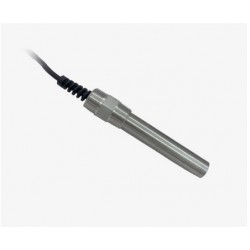
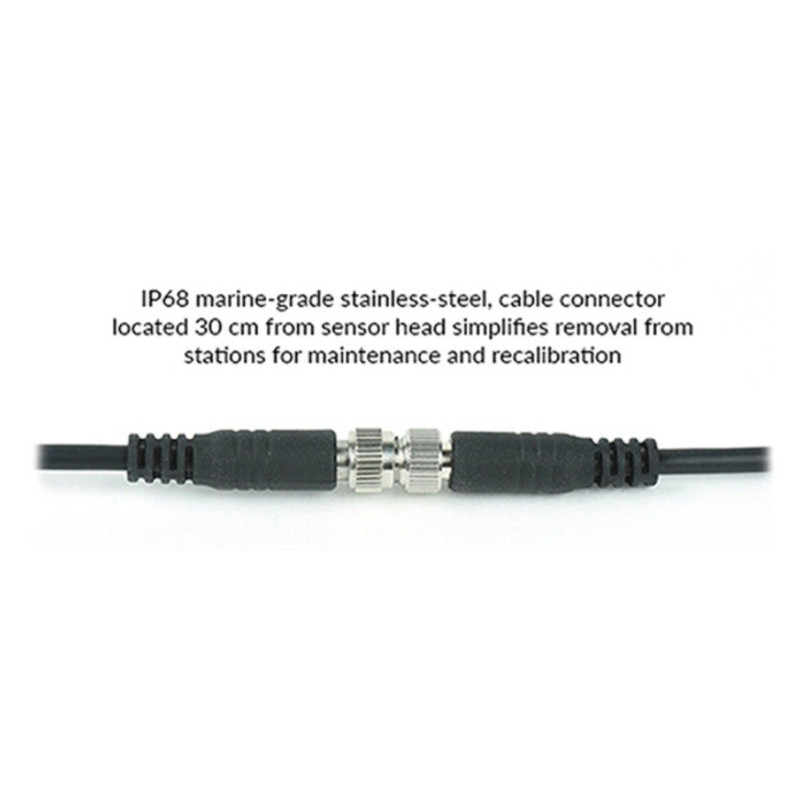
Sensor includes IP68 marine-grade stainless-steel cable connector 30 cm from head to simplify sensor removal and replacement for maintenance and recalibration.
Some typical applications include shortwave radiation measurement in agricultural, ecological, and hydrological weather networks. Sensors are also used to optimize photovoltaic systems.
Sensitivity (variable from sensor to sensor, typical values listed): 0.035 mV per W mˉ²
Calibration Factor (reciprocal of sensitivity) (variable from sensor to sensor, typical values listed): 28.5 W mˉ² per mV
Calibration Uncertainty at 1000 W mˉ²: Less than 3 %
Calibrated Output Range: 0 to 70 mV
Measurement Range: 0 to 2000 W mˉ² (net shortwave irradiance) Measurement Repeatability: Less than 1 %
Long-term Drift: Less than 2 % per year
Non-linearity: Less than 1 %
Detector Response Time: 0.5 seconds
Field of View: 150˚
Spectral Range (50 % points): 370 to 2240 nm
Directional (Cosine) Response: Less than 20 W mˉ² for angles between 0 and 60 ˚
Temperature Response: Less than 5 % from -15 to 45ºC
Zero Offset A: Less than 2 W mˉ², Less than 10 W mˉ² (heated)
Zero Offset B: Less than 5 W mˉ²
Uncertainty in Daily Total: Less than 5 %
Operating Environment: -50 to 80 C, 0 to 100 % relative humidity
Heater: 780 Ω, 15.4 mA current drain and 185 mW power requirement an 12 V DC
Dimensions: 23.5 mm diameter, 27.5 mm height
Mass: 100 g
Warranty: 4 years against defects in materials and workmanship